Good to know
Frequently asked questions
The questions that come up on almost every safari, answered once. Each safari page also has questions about that trip.
Booking and prices
What does “Request to book” mean?
Every Verdoro safari is request-to-book. You send a request for the trip, your dates and your group size, and our Kampala team confirms your final quote and dates.
How are the prices worked out?
Prices are per person in US dollars. The solo price is the highest, and the price per person drops as your group grows, down to the lowest price at the largest group size the trip allows. Each safari page shows the price for your group size.
Can you tailor a trip to how we like to travel?
Yes. We shape the trip around how you like to travel and how much time you have. Write your wish as a sentence on Plan a safari, or message us on WhatsApp.
When do I pay, and what happens if I cancel?
A safari is reserved with a deposit once we confirm it. The balance is due one month before the start, and anything booked within 45 days is paid in full on confirmation. Gorilla and chimpanzee permits are paid in full in advance, and card payments carry a 3.9% service charge.
Cancellation charges depend on how many days are left. Ask us for the schedule for your safari before you commit.
Before you travel
Do I need a visa?
Most visitors need a visa for Uganda, Rwanda or Zambia, depending on your route. Check the current visa rules for your passport before you travel, and carry the right documents when you fly.
Is travel insurance required?
Comprehensive travel and medical insurance is strongly recommended for international safaris, with cover for medical evacuation from remote areas. Arrange it before you depart.
How fit do I need to be?
Forest treks and game drives mean uneven ground, early starts, and several hours on foot or in a vehicle. Chimpanzee and gorilla days can involve hours of steep, muddy forest walking, while savanna days are mostly vehicle-based with short walks. A reasonable level of fitness and sturdy footwear help. Your guide outlines the walking time and terrain at the briefing before active days.
What should I pack?
Bring neutral safari clothing, a hat, sunscreen, insect repellent and light layers for early mornings. For forest treks add waterproof hiking boots, long trousers, gloves for nettles, a light rain jacket and a day pack. Neutral colours work best in the forest.
When is the best time to visit?
The drier seasons, from June to September and December to February, often make forest trails, game viewing and rafting easier. The safaris run all year round, and rain is possible at any time.
Are children welcome?
Many family groups travel together on private safaris. Gorilla and chimpanzee treks have minimum age rules set by the park authorities, and long road days suit older children and teens best. Tell us the ages in advance so we can pace each day sensibly.
On safari
Where do we meet on day one?
On most Uganda safaris, pickup is from Entebbe International Airport or a Kampala hotel. Share your arrival flight details so your guide can meet you after customs. Safaris that start elsewhere, such as Kigali for Rwanda or Chirundu for the Zambezi canoe trails, say so on their own pages.
Are park fees and trekking permits included?
Your safari includes the park entries and trekking permits listed in the trip inclusions for the days on your itinerary. Each safari page has its own included and not included lists, so check the one for your trip.
Where do we stay?
Nights are in lodges or camps near each park, as the day-by-day itinerary sets out, with en suite rooms and meals on full safari days. Our trips come in budget, mid-range and luxury versions.
What meals are included, and can you cater for special diets?
Meals follow the day plan on each safari, usually breakfast and dinner at the lodge, with lunch on driving days. Lodge kitchens can prepare alternatives when you share dietary needs before you travel. On the Zambezi canoe trails, special diets and allergies need at least two weeks’ notice.
Gorillas, chimpanzees and wildlife
Is gorilla trekking guaranteed?
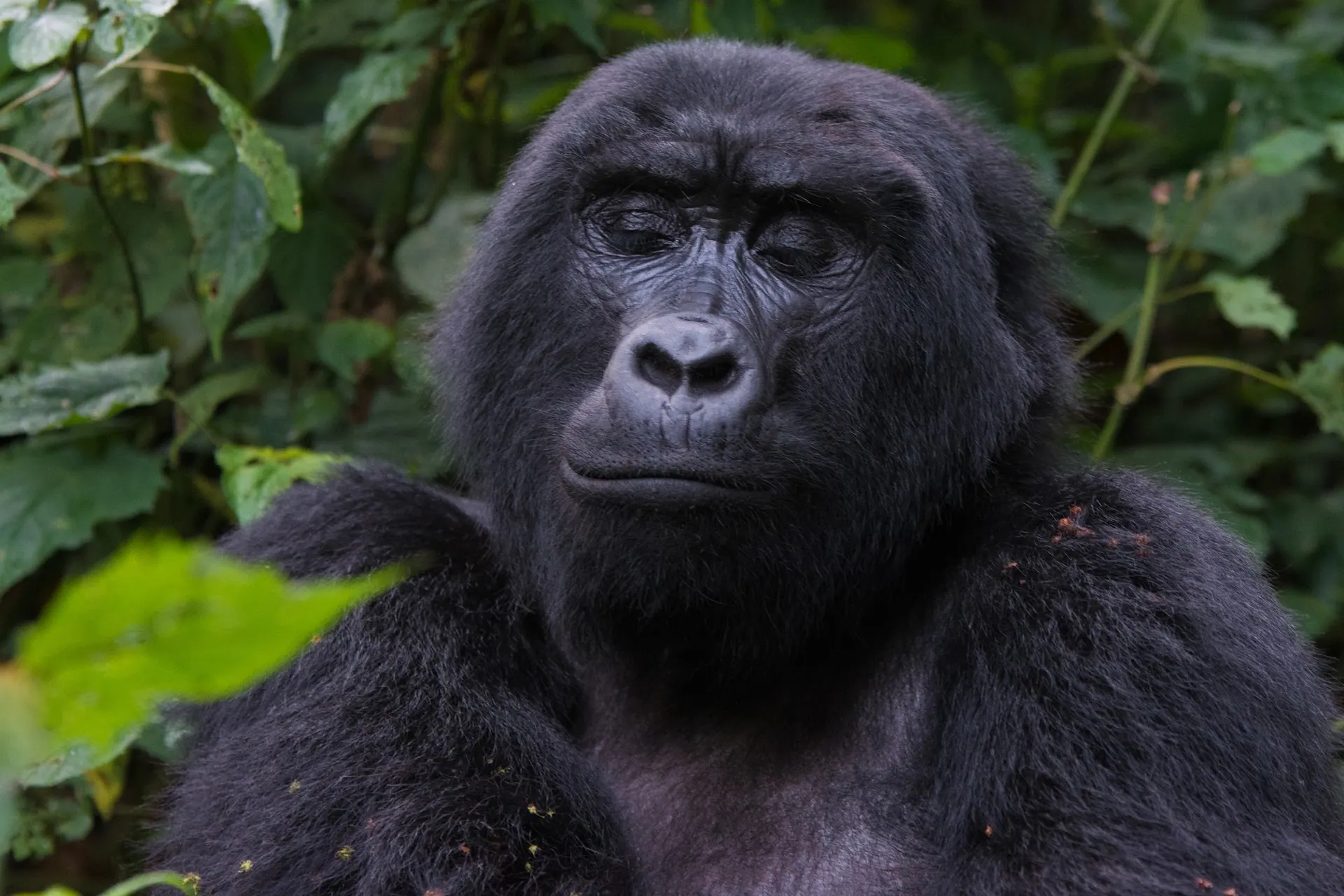
No. A valid gorilla or chimpanzee permit lets you trek, but it does not guarantee a sighting in the wild. Wildlife is wild, and nobody can promise every animal.
How long does a gorilla trek take?
Bwindi treks can take anywhere from a couple of hours to most of the day, depending on where the gorillas moved overnight and the steepness of the rainforest. Once the group is found, one hour is allowed with the gorillas.
Will we see tree-climbing lions?
The Ishasha sector of Queen Elizabeth National Park is known for lions that rest in fig trees. Sightings are likely but not guaranteed, because lions that are hunting in the grass do not climb.
About Verdoro
Where does the 5% go?
With every trip booked, we dedicate 5% of our proceeds to the Verdoro Charity, which works with rural communities, young mothers, people living with HIV, the elderly, orphans and persons with disabilities.
Can you arrange flights, hotels, transfers and insurance?
Yes, by enquiry. We do not sell them on this site. Tell us what you need and we will come back to you.
Where are you based, and how do I reach you?
Our office is on Level 3, Shop 11, Kalungu Building, Kampala Road, Kampala, Uganda. Message us on WhatsApp on +256 774 539144, call +256 758 705942, or write to info@verdorosafarisuganda.com.
Still wondering
Ask us anything
Send your question and we will answer in plain words. A real person in Kampala reads every message.
Photos: Uganda Wildlife Authority and Uganda Tourism Board.