News ·
Chimpanzee habituation in Kibale and Budongo
How chimpanzee habituation works in Kibale and Budongo, how it differs from an ordinary trek, and what up to four hours with the chimps is like.
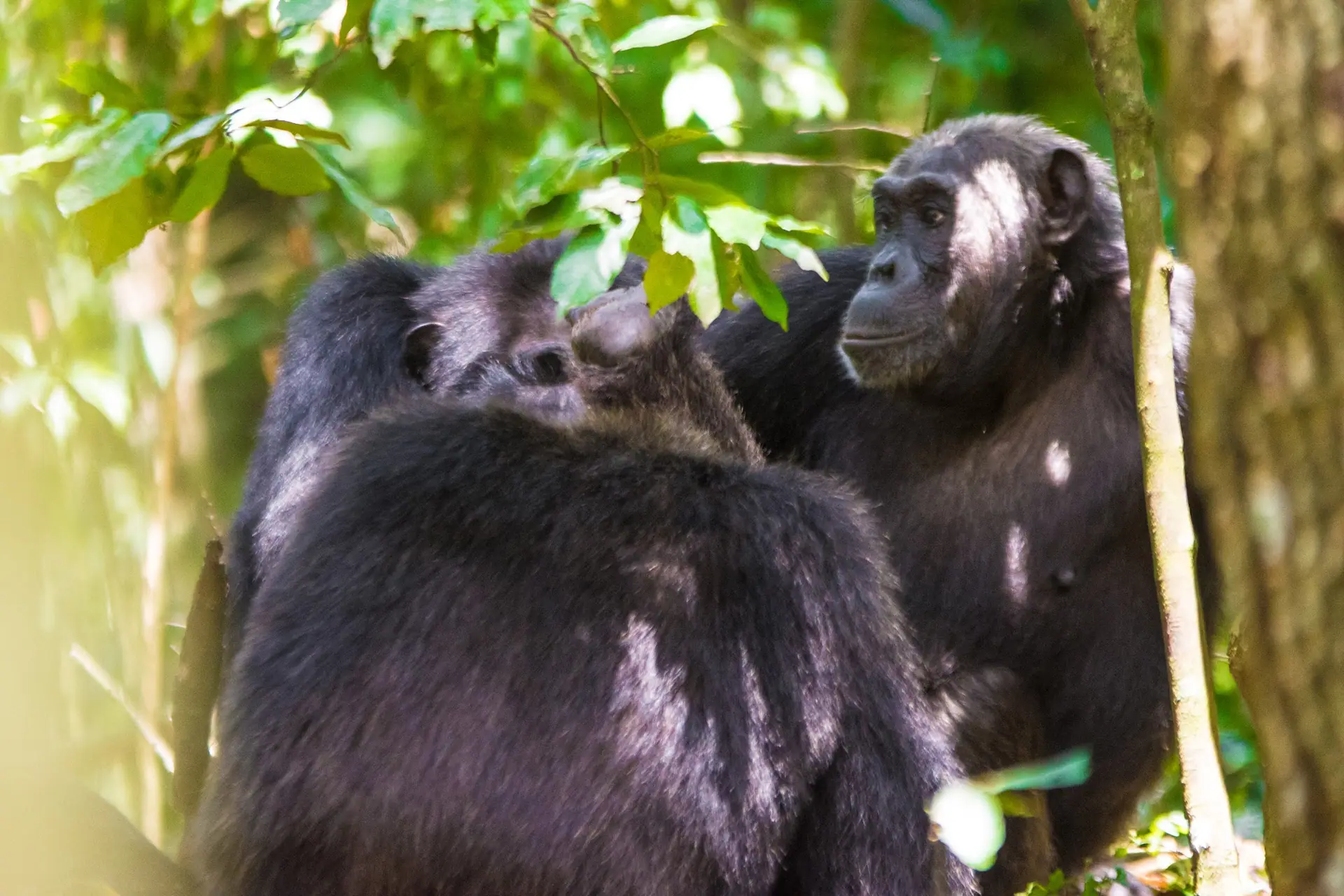
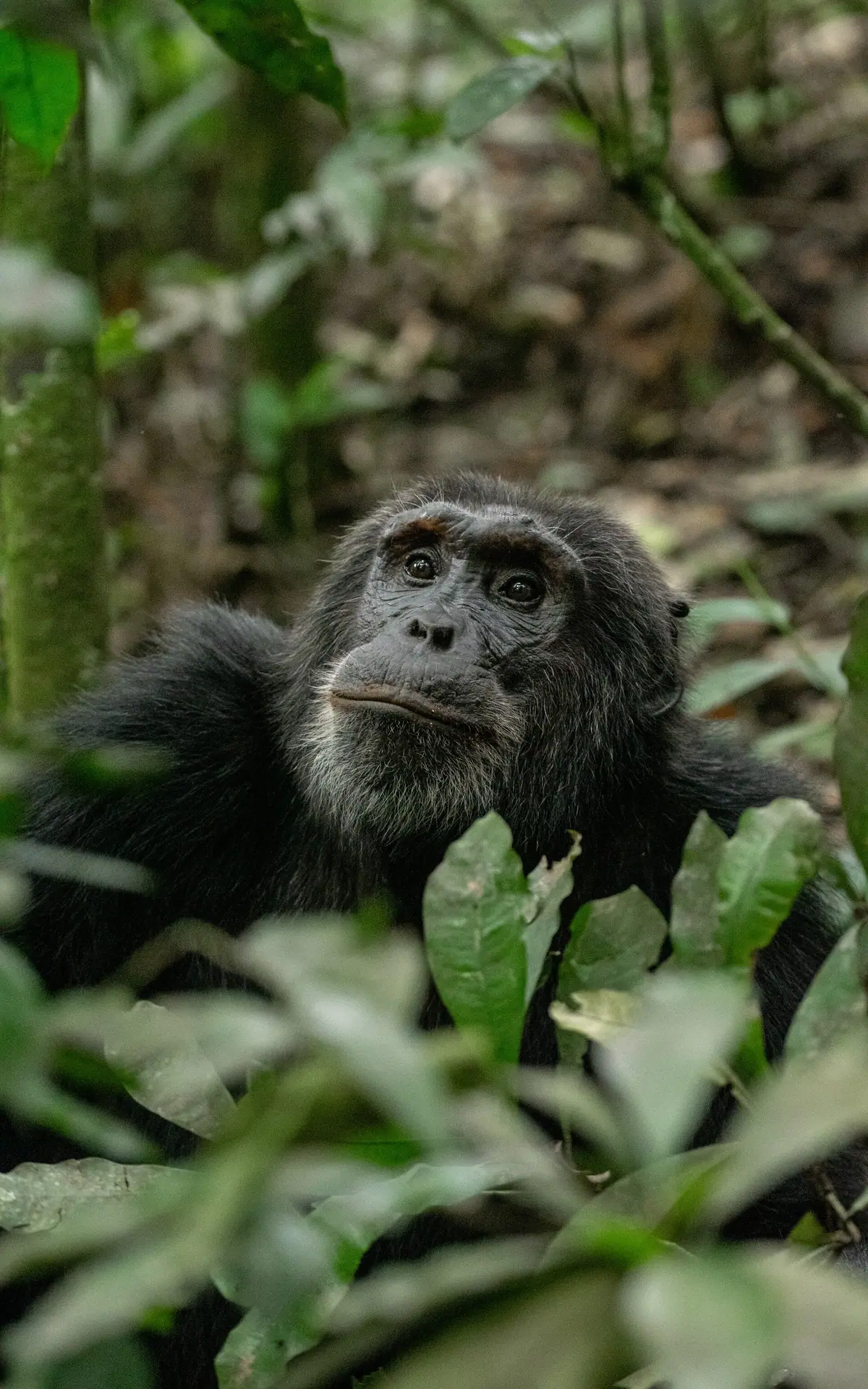
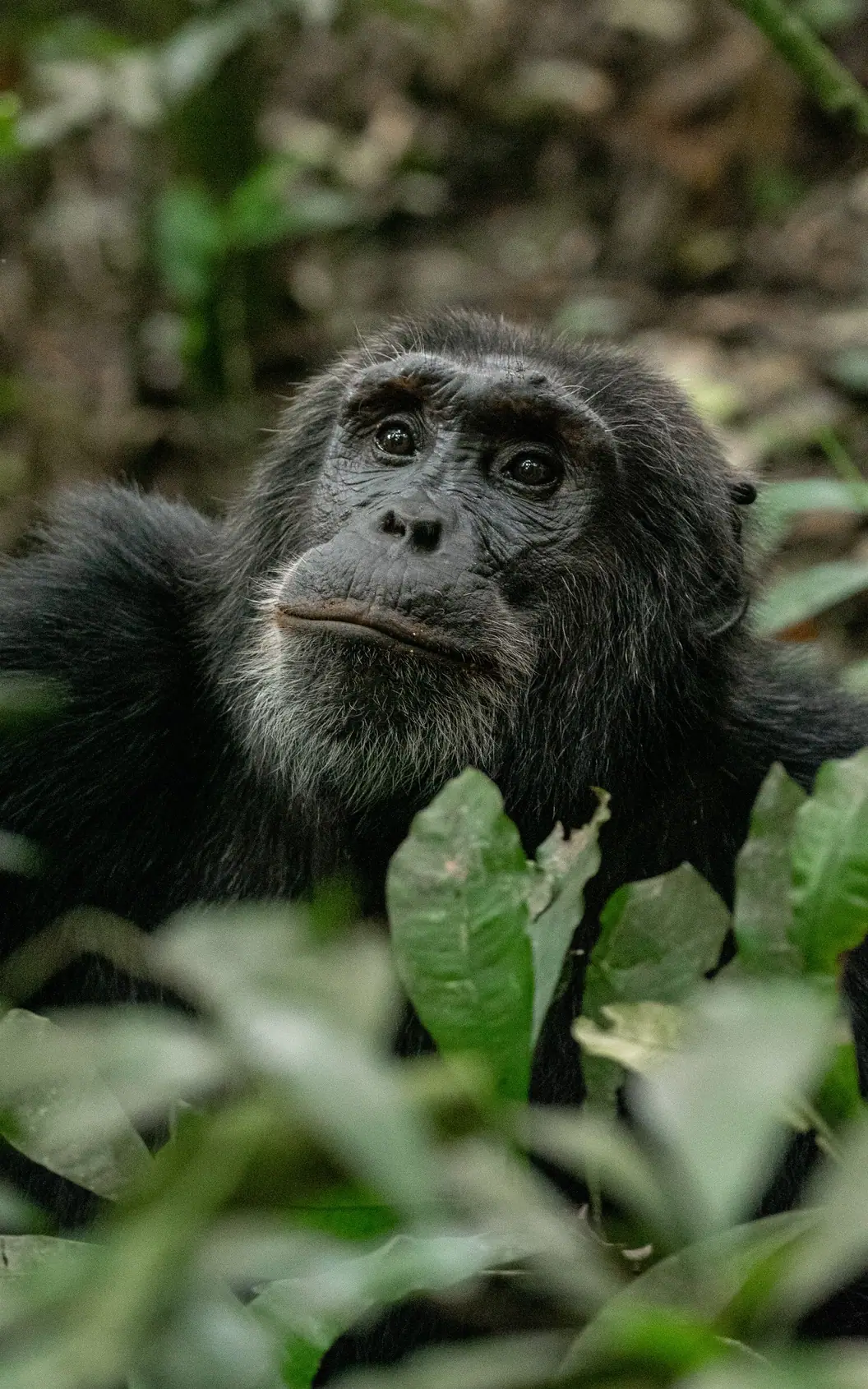
Chimpanzee habituation is how wild chimpanzees are slowly accustomed to people. The aim is to make them comfortable around us without losing their natural behaviour. In Uganda it happens in specific national parks, where researchers and trained guides work with the chimpanzees and watch how they live.
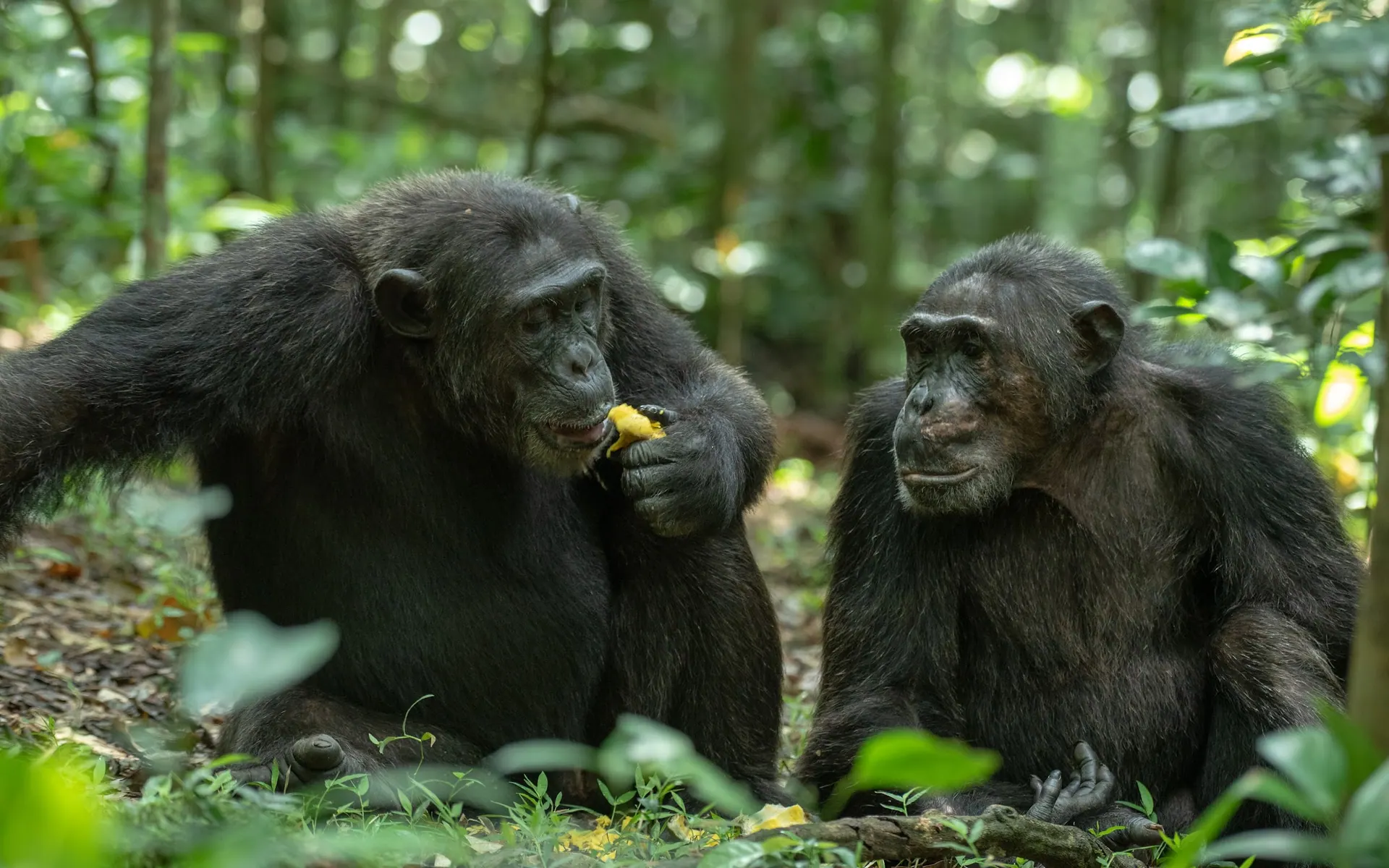
It differs from a standard chimpanzee trek. A trek usually means a brief visit to see chimpanzees from a distance. Habituation takes you much closer to their day. You can watch them forage, play and communicate, and you see how complex their social lives are and how clever they are.
Both sides gain. Researchers can study the chimpanzees’ behaviour in more detail. Visitors get a way of meeting wildlife that few other activities can match.
Where it happens in Uganda
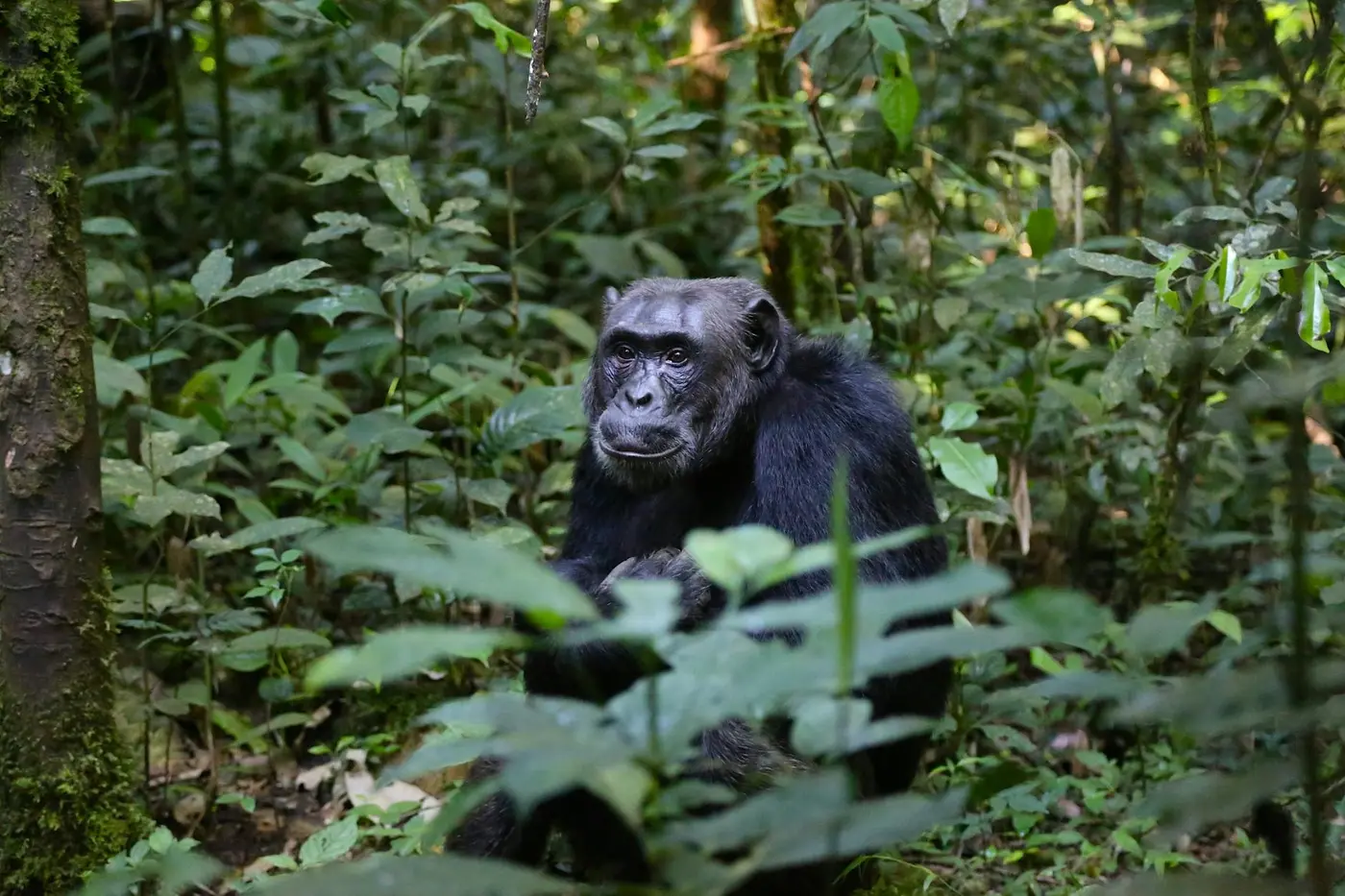
Habituation experiences run in two places, Kibale National Park and Budongo Forest Reserve. Both have large chimpanzee populations.
Kibale National Park
Kibale is Uganda’s most famous place for chimpanzee trekking and habituation, with over 1,500 chimpanzees. Our Kibale chimpanzee trekking guide covers the standard trek, and every chimpanzee trekking safari we run is listed together. Its dense rainforest and varied ecosystems suit them well.
Habituation in Kibale lets you spend up to 4 hours with the chimpanzees. A standard trek lasts around 1 hour, so the extra time is a rare chance to watch their behaviour closely. The park’s guides are very knowledgeable and work closely with researchers to get the chimpanzees used to people.
If you want a deeper wildlife experience, Kibale is the place. The park also has other primates, such as baboons, monkeys and colobus.
Budongo Forest Reserve
Budongo Forest Reserve is another fine place for habituation. The forest is part of the larger Murchison Falls National Park, but it is more remote and less crowded than Kibale. Its chimpanzee population is smaller, and the reserve is calm and quiet.
Habituation in Budongo lasts about 3 to 4 hours, so you can watch the chimpanzees in their natural habitat. The forest is peaceful, and the walks to find them are often less strenuous. Budongo’s chimpanzees are still being habituated, so the experience can be a little harder than in Kibale. For people who like a bit of adventure, that makes it more rewarding.
How habituation works
It is long, delicate work that takes patience and consistency. Researchers and trained guides spend extended periods with wild chimpanzees and slowly introduce them to human presence, without disturbing their natural behaviour.
It starts with watching from a distance. Over time the team shrinks that distance gradually, and watches the chimpanzees closely to make sure they never feel threatened. The process can take several years, because the chimpanzees must keep their natural behaviour while they get used to people.
For visitors, habituation is more intimate and rewarding than standard trekking. You may see the chimpanzees foraging, playing, grooming and even using tools. It is a rare glimpse into the lives of one of our closest relatives.
What to expect on the day
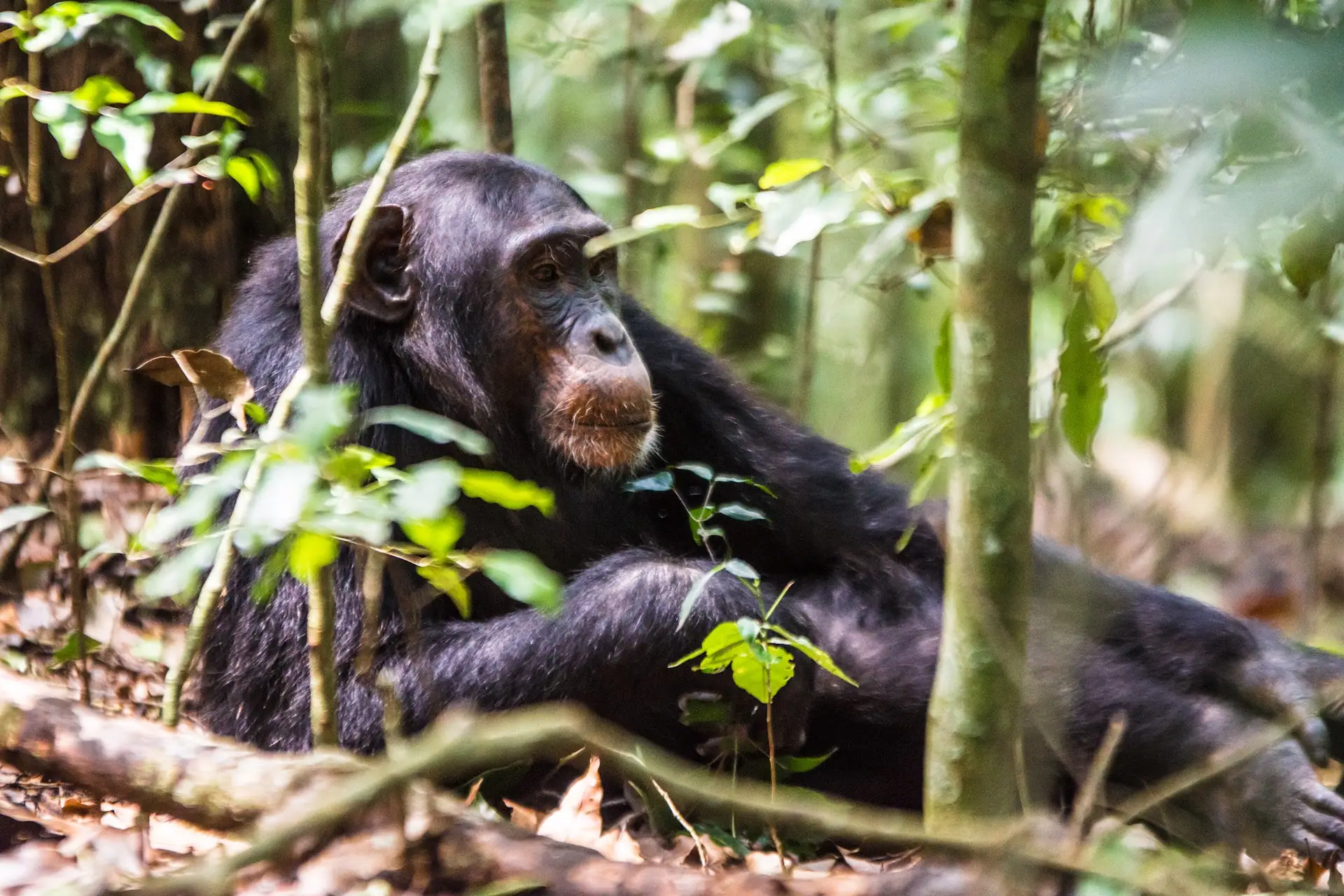
Expect a full day. Most habituation experiences start early. Expert trackers guide you into the forest to find the chimpanzees, and the trek is an adventure in itself as you push through dense forest to where they are.
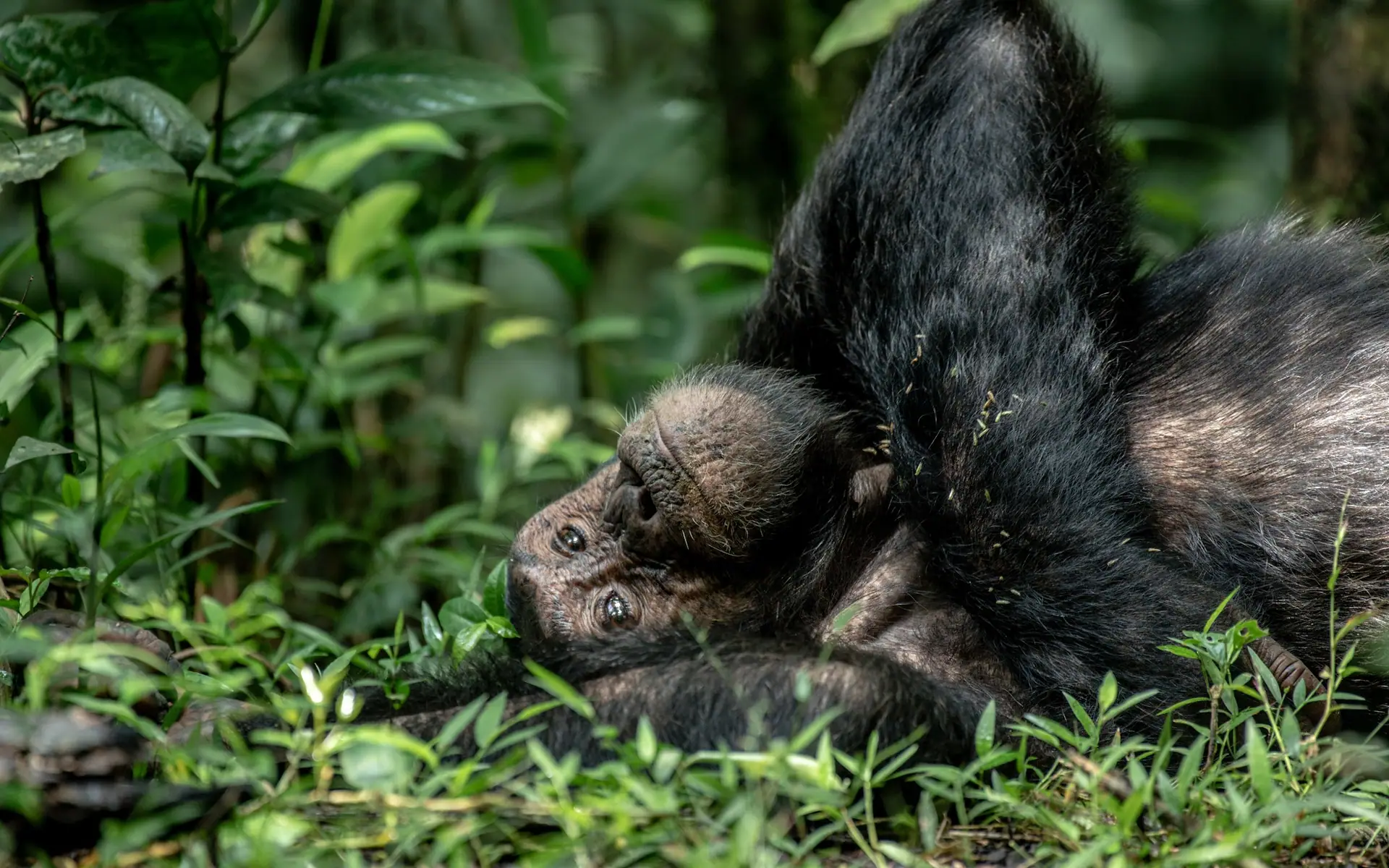
Once you find them, you have several hours to watch. They may be eating, playing or interacting. You can see how they communicate with gestures, facial expressions and calls, and they may come close to the group, which makes for striking photographs.
Remember that chimpanzees are wild animals. They are used to people, but they still behave naturally. Strict guidelines protect visitors and chimpanzees alike, including keeping a safe distance and staying quiet.
Why it matters
Habituation is a wildlife experience, and it also helps conservation. When chimpanzees are used to people, researchers can study their behaviour in more depth. That research is essential for understanding what chimpanzees need and for protecting their habitats.
It also raises awareness. Chimpanzees face many threats, including habitat loss and poaching. Habituation programmes teach visitors about these problems and why chimpanzee populations need protecting. The money the experiences raise supports conservation and research that benefit the chimpanzees directly.
It is also a quiet way to spend time in nature. Hours with the same group show you how much the forest matters to them.
Tips for the day
- Prepare for a physical trek. The walks to find the chimpanzees can be hard. Wear sturdy hiking shoes, bring a rain jacket and carry plenty of water.
- Follow the guidelines. Do what your guide says, for your safety and the chimpanzees’ well-being.
- Be patient. Habituation is gradual. The chimpanzees may not always be visible, and it can take time.
- Take time to watch. When you do find them, look closely at what they do and how they interact.
- Support conservation. Your visit helps fund important conservation work.
In short
Habituation lets you spend hours with chimpanzees on a responsible-tourism trip. Uganda tours, particularly family tours, suit all ages and teach children about wildlife conservation. The experience also supports the work to protect the chimpanzees’ habitats.