Blog ·
Ugandan cultures and the experiences worth travelling for
Ugandan cultures that enrich a safari: the Batwa, the Karamojong, Buganda, food, music and festivals, and how a cultural visit supports local communities.
Welcome to Uganda, the Pearl of Africa. Beyond its famous wildlife and national parks lies a set of cultural experiences that many travellers to Africa now come for.
Gorilla trekking is the headline act for most tour operators, but cultural visits are starting to steal the show. They also fit the UN Sustainable Development Goals, in particular SDG 11.4 and the Agenda for Culture.
Cultural experiences matter to those goals in several ways. They promote inclusive and sustainable development, help regenerate cities and regions, encourage the adaptive reuse of heritage buildings, and carry shared principles and values.
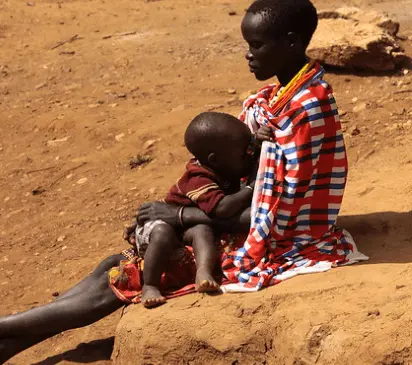
Uganda’s cultures at a glance
Uganda is home to over 50 ethnic groups, each with its own language, traditions and way of life. That variety gives visitors cultural experiences that are fascinating and often moving.
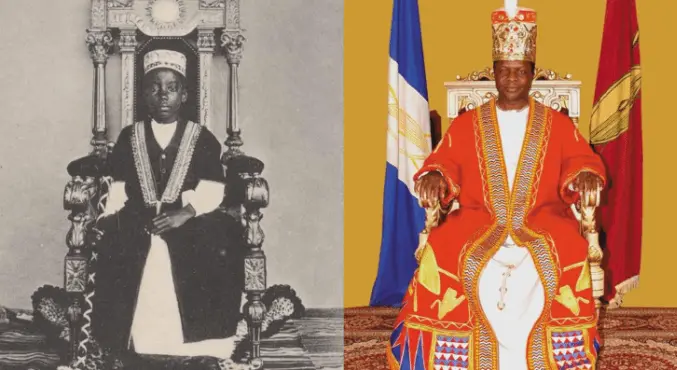
Buganda Kingdom, central Uganda
The trip starts in the central region, in the Buganda Kingdom, Uganda’s largest and most influential kingdom.
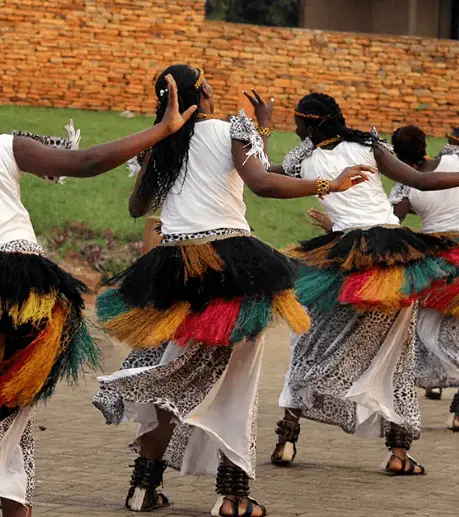
Buganda has so many attractions that it has its own tourism board. The Buganda Kingdom Tourism Board works to give travellers interested in culture the best of them.
Visit the Kasubi Tombs, a UNESCO World Heritage Site, to learn about the history of Buganda’s kings and their legacy. Guided tours tell remarkable stories about the royal family.
The Royal Palace and the Royal Mile, known as the “Lubiri” and “Nantawetwa”, give a glimpse of the king’s glory.
The Batwa, south-west Uganda
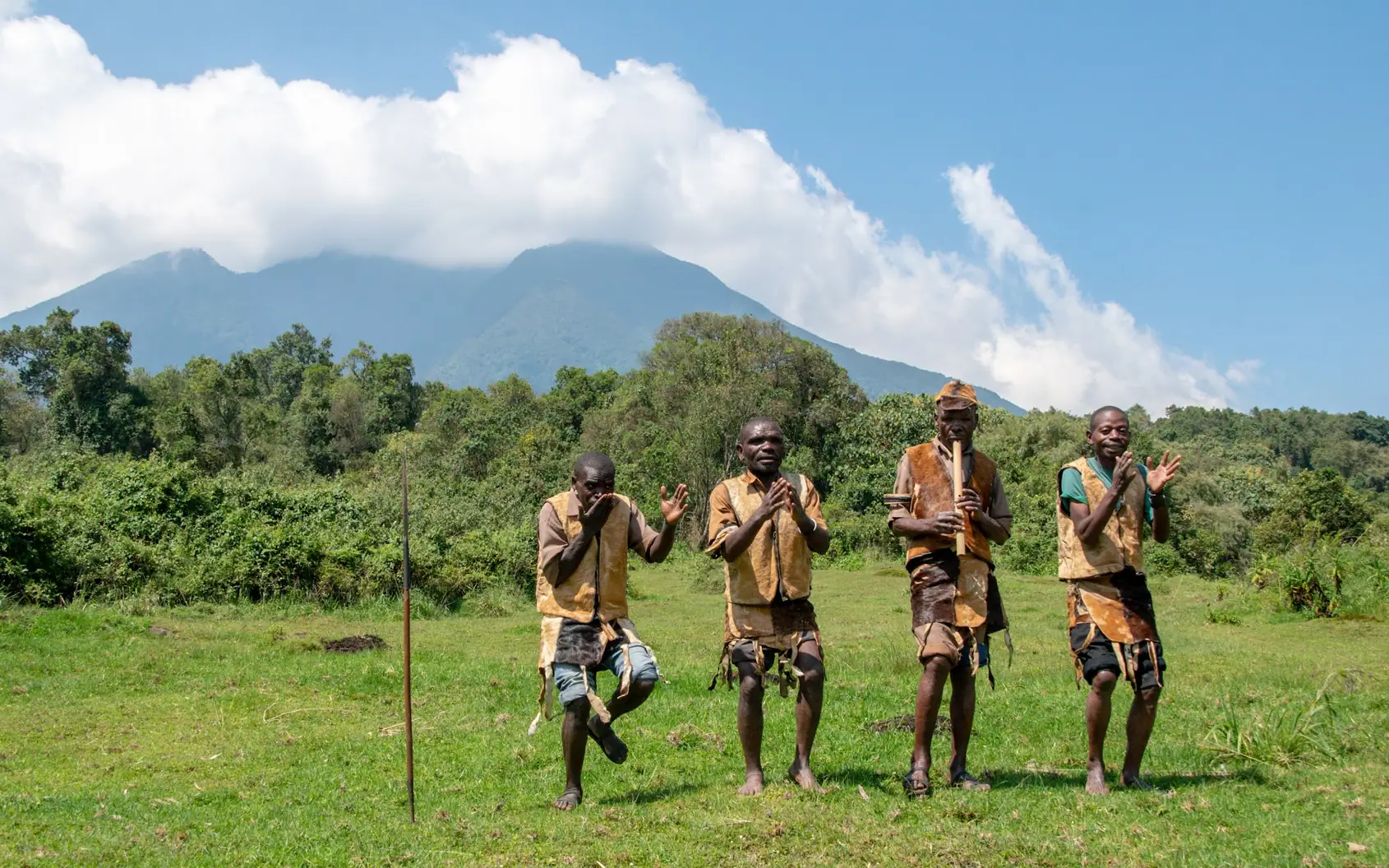
The Batwa, known as the original forest people, are a must-visit for anyone going to Bwindi. After gorilla trekking in the forest, a visit to the Batwa community often makes the safari worthwhile.
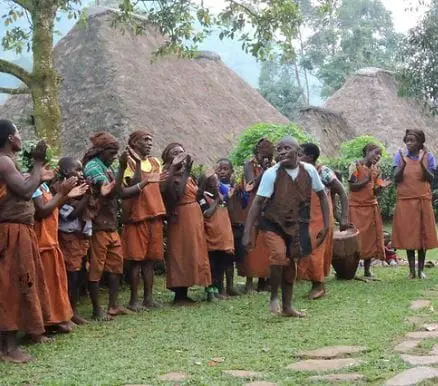
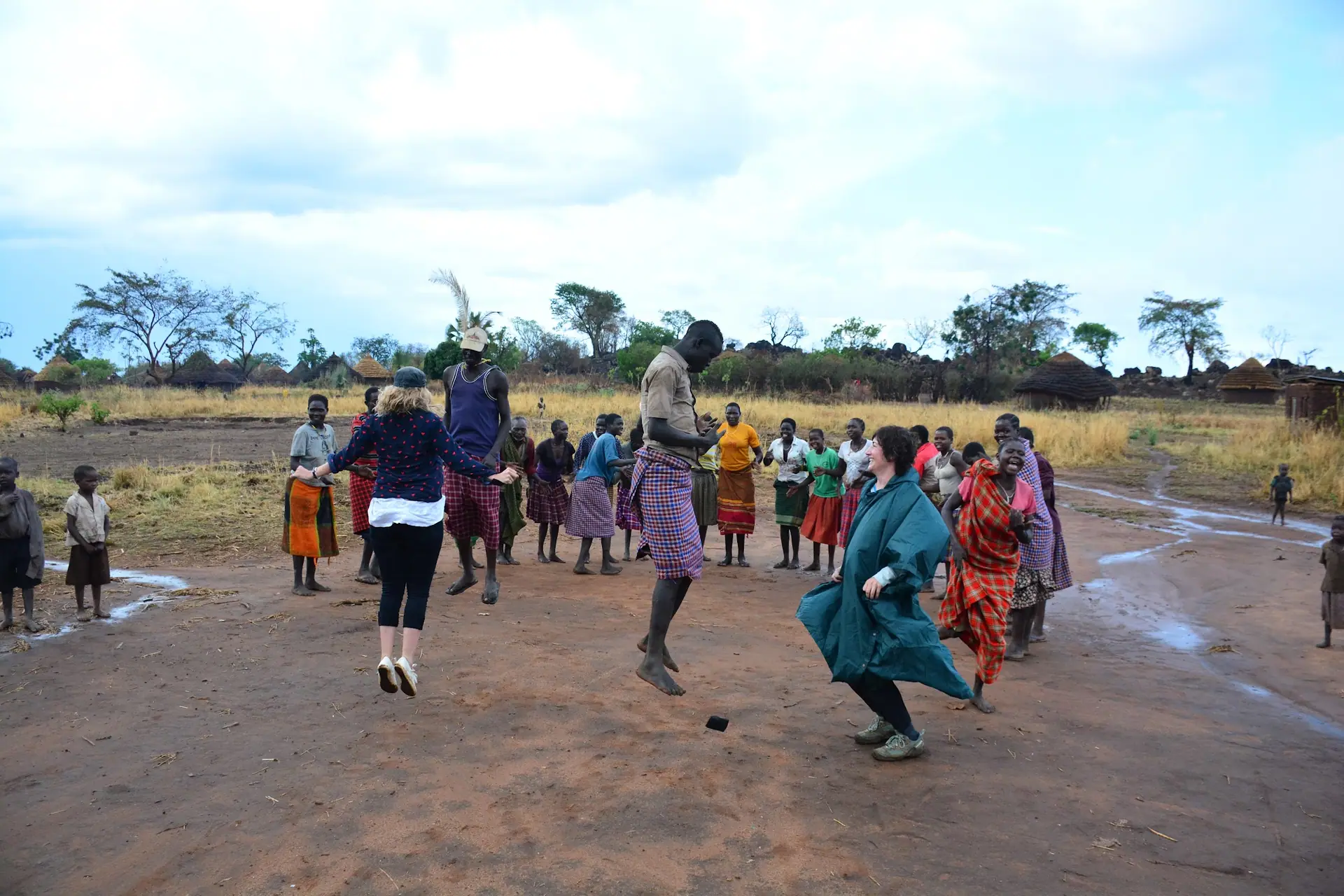
Spend a day with them learning their traditional hunting methods, listening to their folklore and joining their vibrant dances. It is a humbling experience that shows how closely they are bound to nature.
Several travellers’ reviews say the Batwa experience makes you reflect and value your own life more.
The Karamojong, north-east Uganda
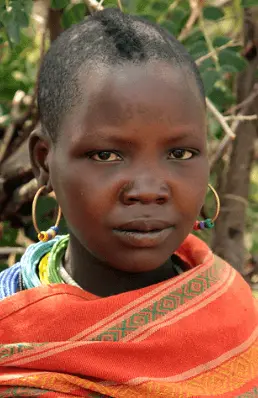
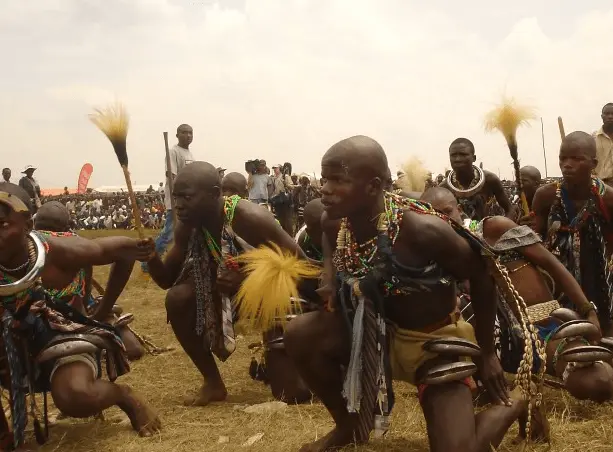
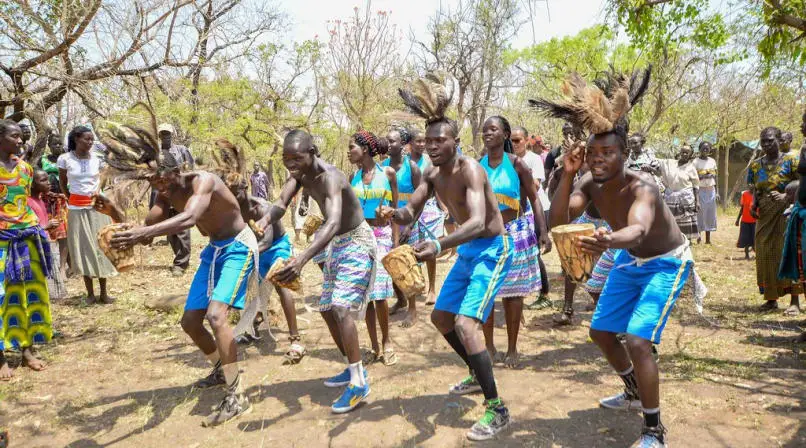
Head to Karamoja to see how the Karamojong live. Our Kidepo Valley safaris include time with Karamojong communities. Visitors often compare them to the Maasai of Kenya.
They are known for their love of cattle, their colourful beadwork and their traditional homesteads, called “manyattas”, and they offer a glimpse of a way of life that has stayed the same for centuries.
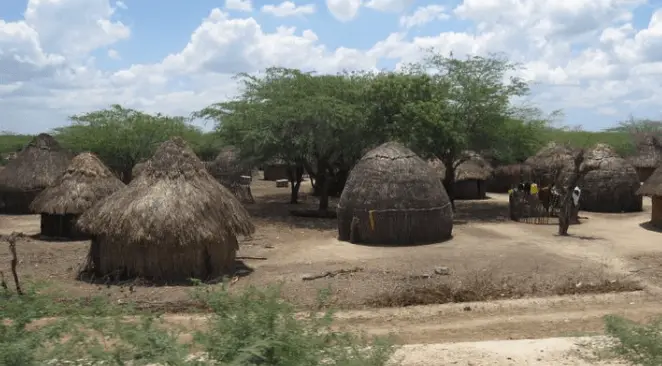
The dances, folklore, hunting skills, food and stories of the nomadic way of life stay with every traveller.
To note: there are many other tribes and cultures. You can meet the Banyakore at the Emburara cultural farm, the Bamasaba in eastern Uganda, the small Ik community in Kidepo Valley National Park, and the Tooro kingdom around Kibale and Fort Portal, among others.
Together, Uganda’s tribes and cultures give an authentic picture of Africa at a glance.
Ugandan food
The local cuisine is a must-try. Every dish tells a story about the country’s traditions and way of life. Cultural villages offer the whole experience, from harvesting the food to cooking it.
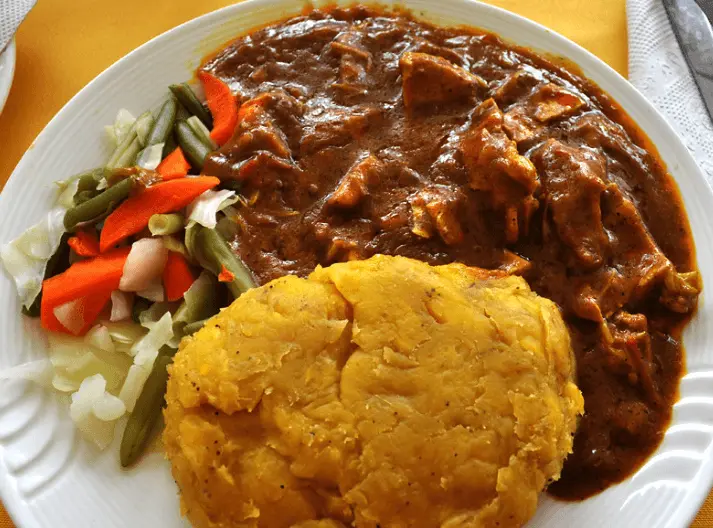
Well-known cultural villages include Entandda Cultural Village, Ewaffe Cultural Village and Emburara Cultural Farm, as well as other ranches and farms.
Dishes to try on a cultural trip
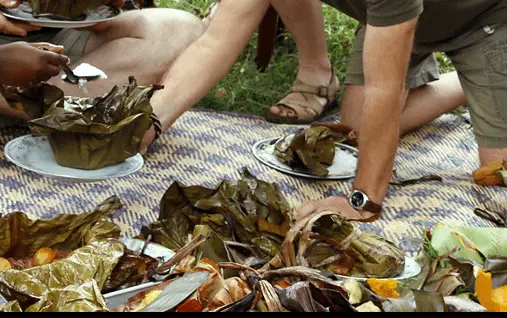
- Luwombo: a peanut-based stew, served with matoke (steamed plantains) and slow-cooked in banana leaves for a rich, earthy flavour.
- Rolex: a street food favourite. A rolled chapati filled with eggs and vegetables, it is tasty and filling, and a little like a burrito.
- Kalo: like posho or fufu, but made with millet and cassava flour. Try it at the Emburara cultural farm in Mbarara.
- A local market: sample fresh tropical fruit, roasted groundnuts and street snacks like gonja (roasted plantains) and roasted maize.
The dishes are one part of it. The warm smiles and hospitality around the table are the other.
Festivals and celebrations
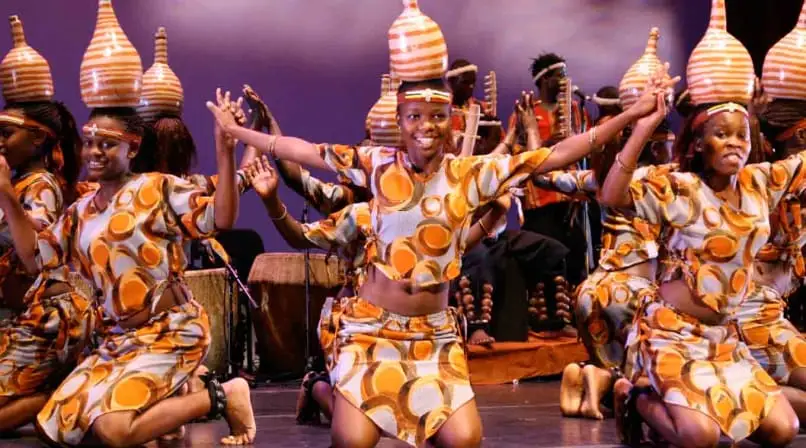
Uganda’s calendar is full of festivals and cultural events.
- Nyege Nyege Festival. It began as a celebration of shared African culture and oneness. This international music festival celebrates African beats and creativity, and it is the place to see the modern side of Ugandan culture.
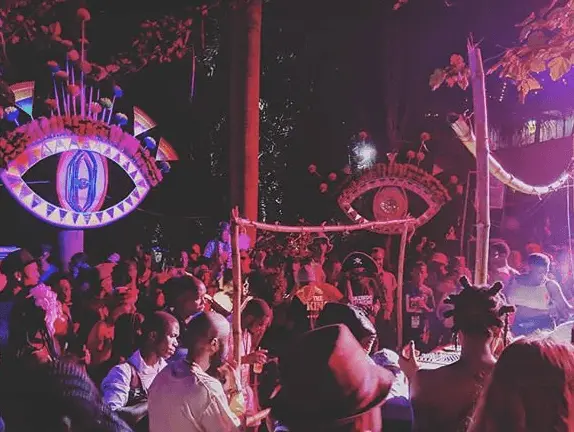
If you are visiting in November, check with your travel planner what is on.
- Imbalu circumcision ceremony. Among the Bagisu people of eastern Uganda, this traditional ceremony marks a boy’s passage into manhood.
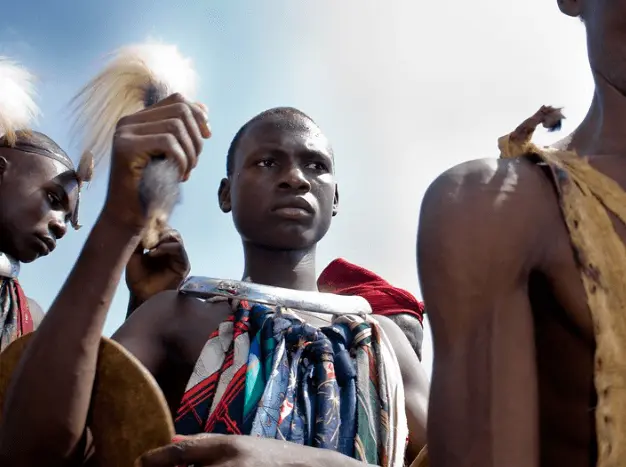
The event is full of energy, with traditional dances, songs and celebrations. The kadodi dance and music make it a lively event to watch.
Why we love it
We have travelled across Uganda and fallen for its cultural richness. Every interaction, from sharing meals with locals to dancing with communities, teaches us something new.
Uganda is a destination, and it is a place where you connect with people and their stories. Take time to reflect, to value authentic ways of life and to support the livelihood of a local community.
Travelling sustainably matters to us. We believe in exploring responsibly and giving back to the communities we visit, so that our travel leaves a positive impact. Cultural encounters are one of the best ways to include local communities in tourism.
Plan a cultural trip
Uganda has more to see than the brochures show. Whether your interest is history, traditions, spirituality or simply meeting people, Ugandan cultures have plenty.
If you would like a more purposeful and rewarding journey, message the Verdoro Safaris team and we will plan a cultural safari with you.
More from the road
Last updated 26 November 2024.