A complete guide to trekking the Rwenzori Mountains
The Mountains of the Moon on the Uganda and Congo border: history, wildlife, gear, permits, the best months and the main Rwenzori trekking routes.
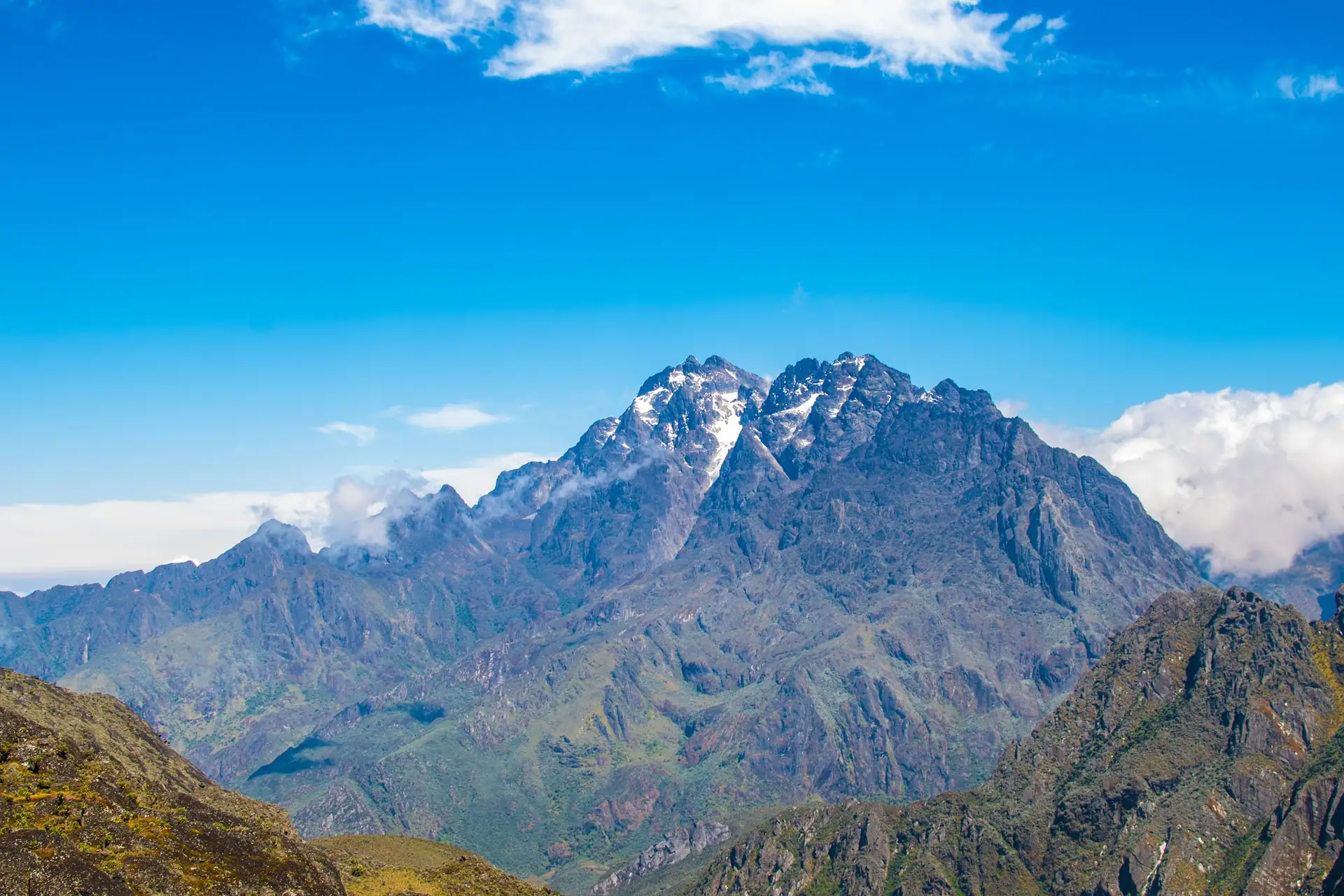
The Rwenzori Mountains, known as the “Mountains of the Moon”, are one of Africa’s great ranges. They sit on the border between Uganda and the Democratic Republic of the Congo, and they are known for rugged terrain, many different ecosystems and snow-capped peaks.
Trekkers come from all over the world to walk this UNESCO World Heritage site. This guide covers the history, how to prepare, the trails and how to book.
A short history
The range goes back over 3 million years, shaped by tectonic movement and volcanic activity. Local people have known the mountains for centuries. Western explorers only began to take notice in the late 19th century, and Henry Morton Stanley was the first European to sight the range, in 1889. He called the peaks the “Mountains of the Moon” because their snow-capped summits looked like nothing else in Africa.
The range lies close to the equator, but its height and climate keep it cold and snow-covered. In 1994 the Rwenzori Mountains became a UNESCO World Heritage site, which drew the attention of adventurers and conservationists alike.
What makes the Rwenzori different
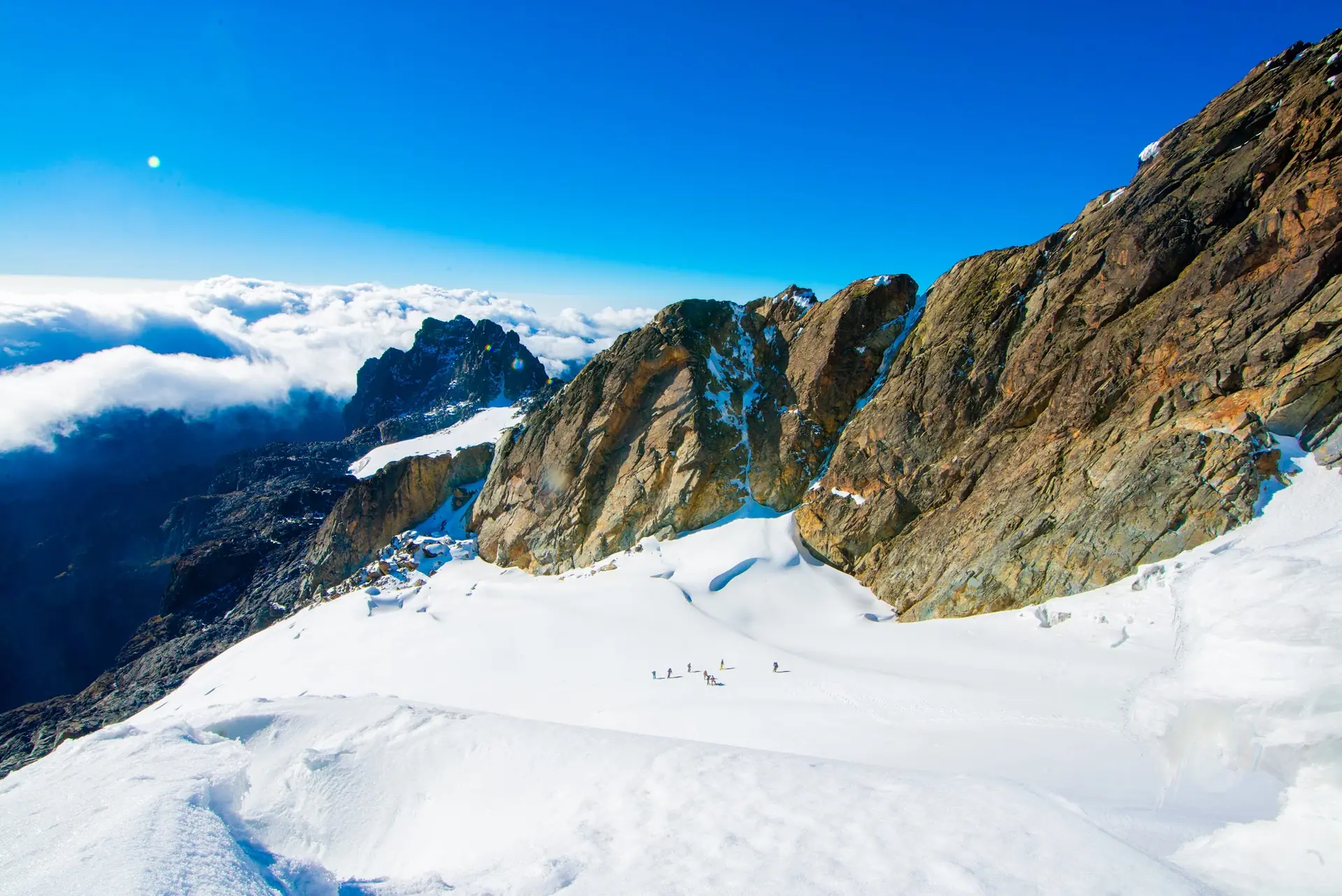
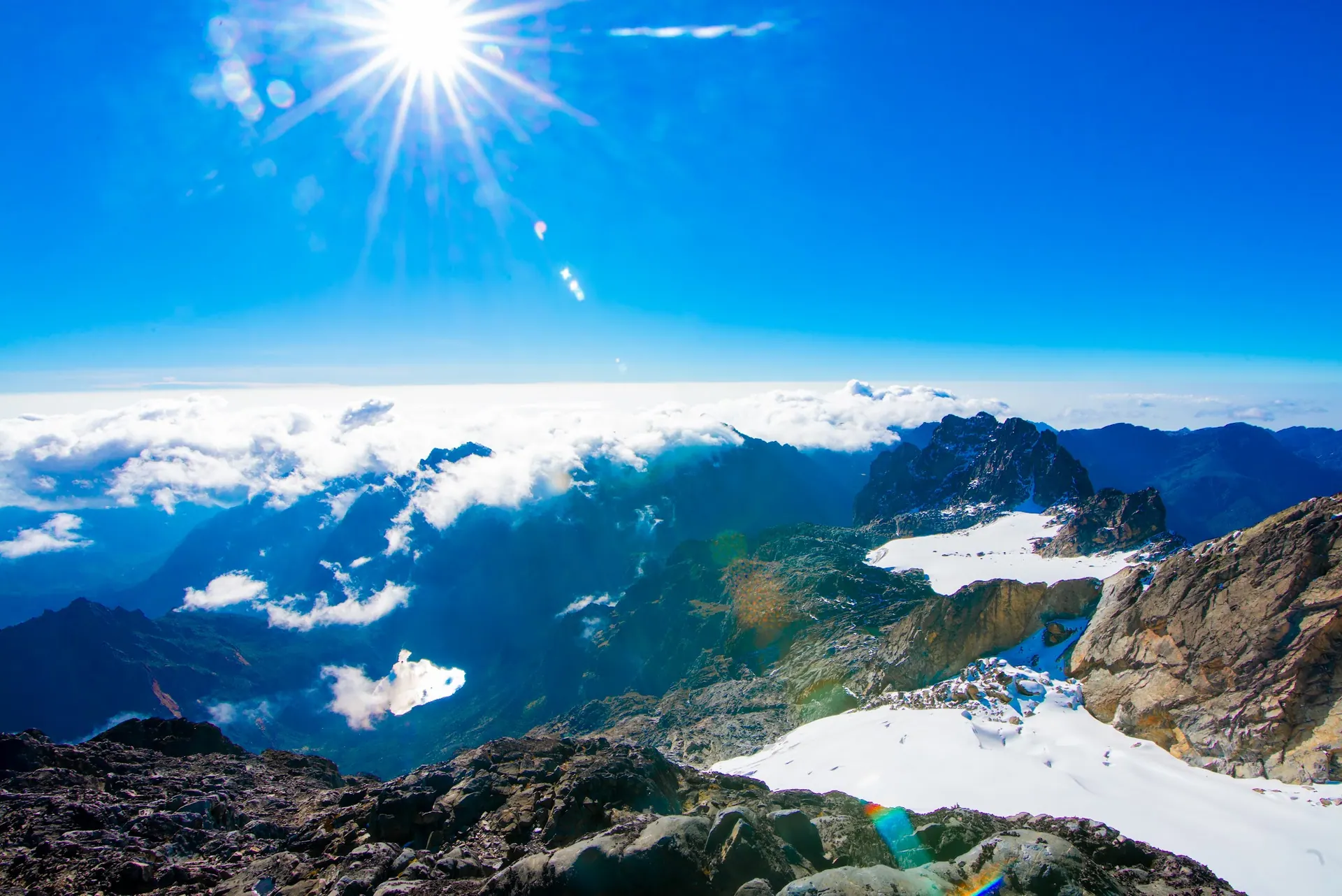
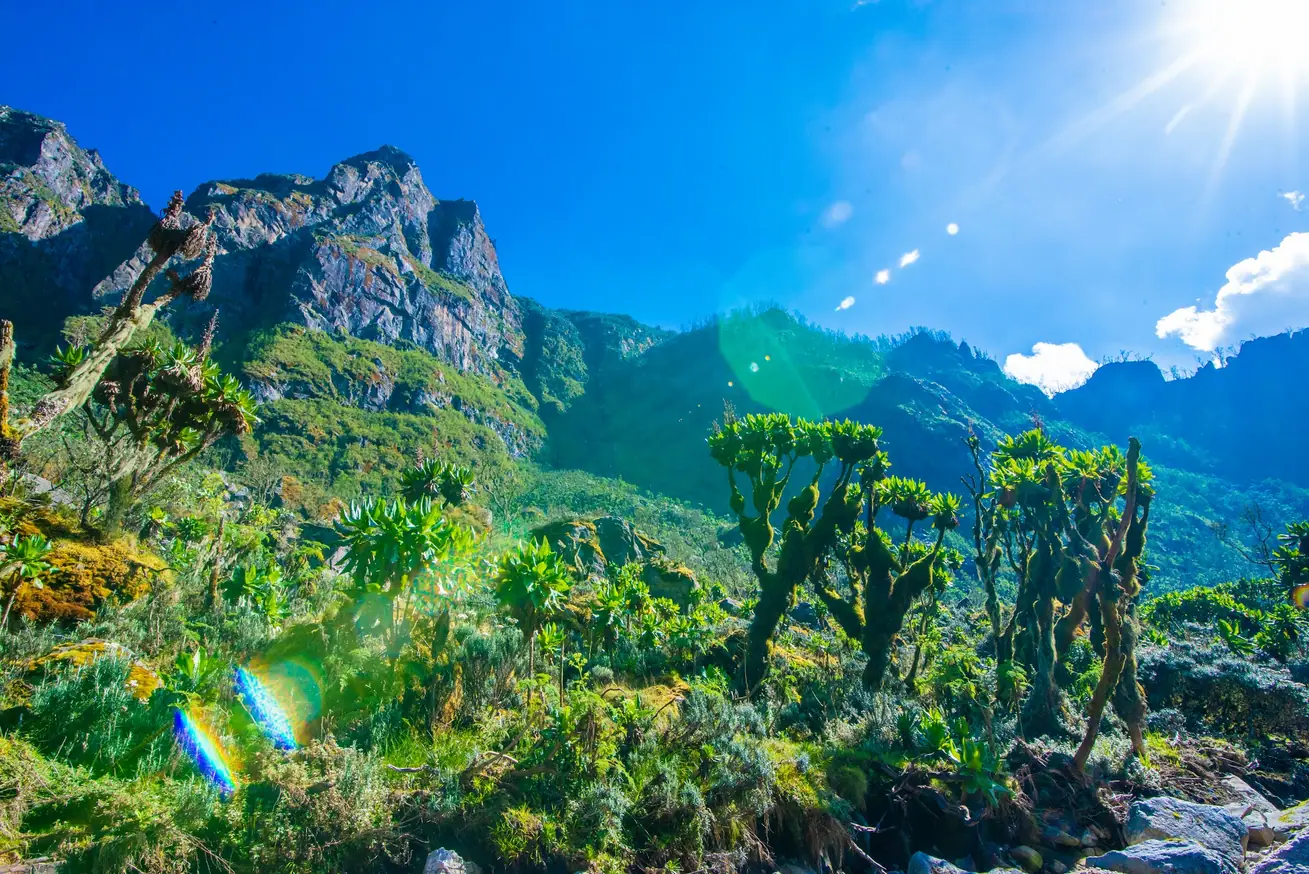
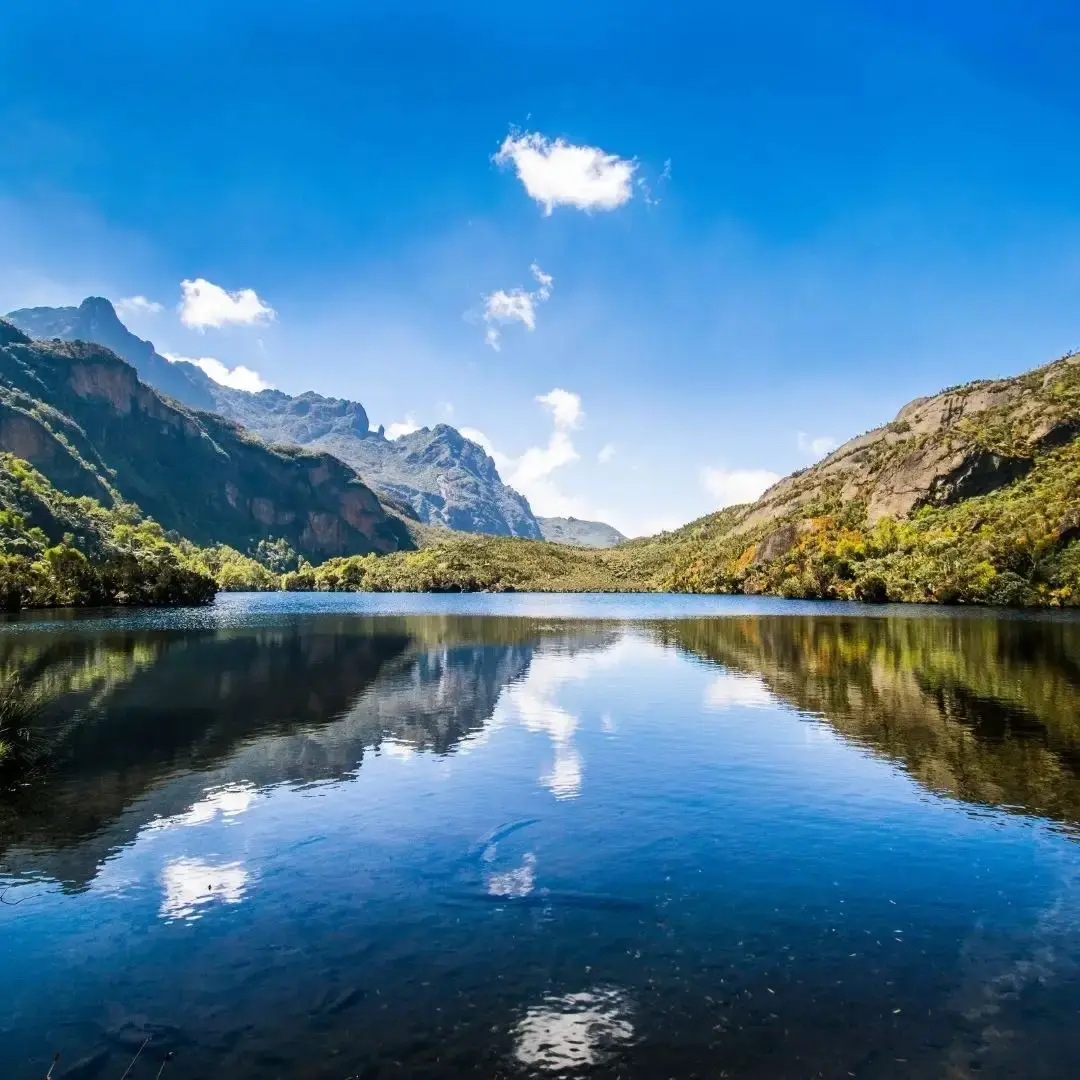
It is the height and the variety of ecosystems. The range stretches over 120 kilometres and reaches 5,109 metres at its highest point, Margherita Peak. A trek takes you from tropical rainforest at the base through alpine meadows to glaciers near the top. The Rwenzori is one of the few places in Africa where glaciers still exist.
The wildlife is just as good, with over 70 species of mammals and 217 bird species. The mountains are home to the elusive Rwenzori leopard, the duiker and the rare Rwenzori Turaco. On the trail you will also meet the Rwenzori ground thistle, a plant found only here.
Preparing for your trek
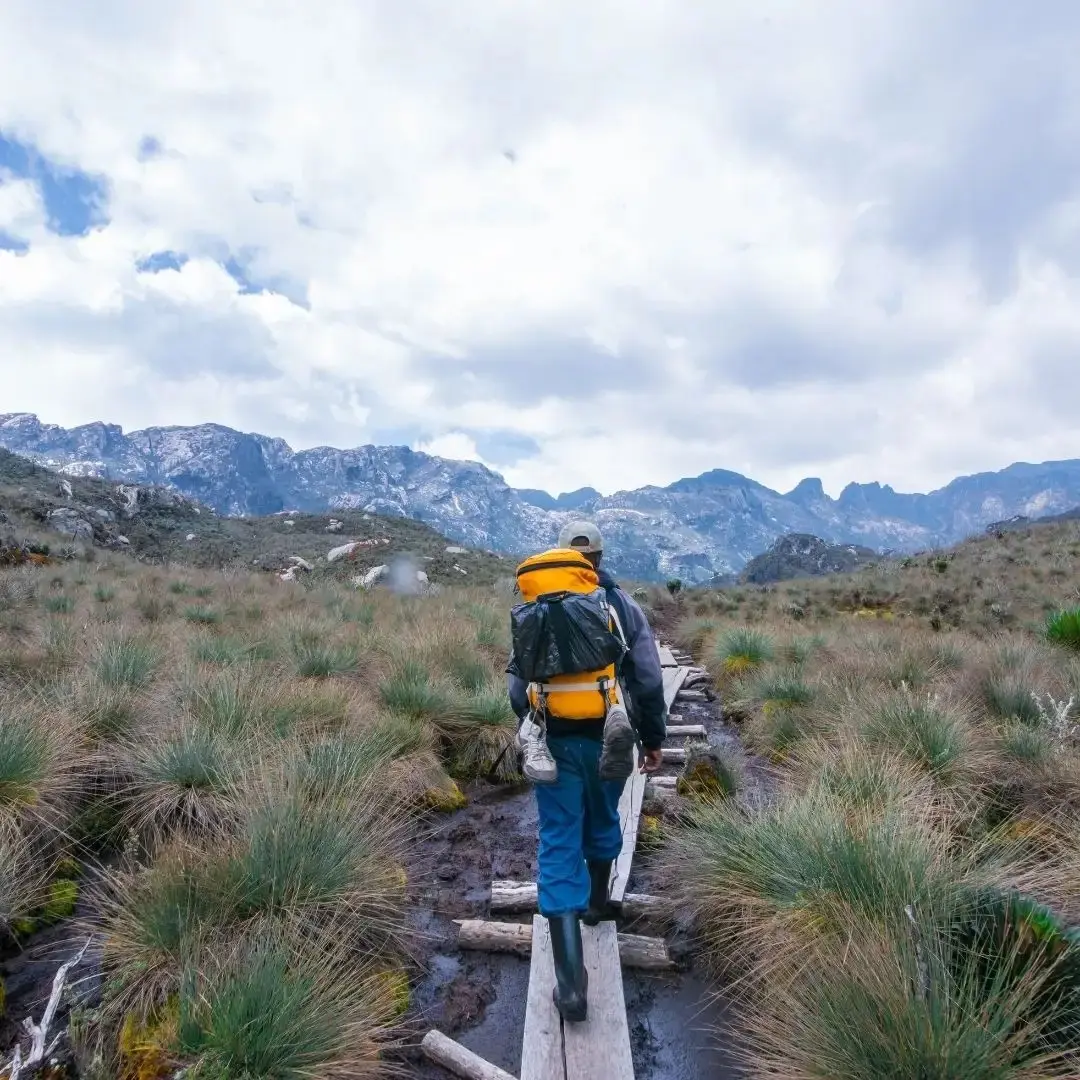
The terrain is steep, hard and often muddy, and the weather can change fast. Plan for it.
- Physical preparation
This is not an easy trek, particularly if you plan to go high. Start training several months ahead. Hike regularly on steep slopes, build stamina and do strength work. Cardiovascular fitness matters too, because the trek is hard on the lungs and heart.
- Packing gear
The right gear keeps you comfortable and safe. Bring:
- Clothing: layers. Take moisture-wicking base layers, a warm fleece or down jacket, a waterproof outer layer and sturdy trekking boots.
- Backpack: a comfortable, well-fitting pack for a water bottle, snacks and extra layers.
- Trekking poles: they help your balance and ease the strain on your knees on steep descents.
- Sleeping bag: a good one, made for cold temperatures, especially higher up.
- Headlamp and batteries: daylight can be limited, so you need a reliable headlamp for early starts or late arrivals at camp.
- First aid kit: your own, with pain relievers, blister treatments and any personal medication.
Permits and booking
All trekking in the Rwenzori is managed by the Uganda Wildlife Authority (UWA), and you need to book in advance. Permits vary with the length of the trek and whether you climb the peaks or only walk the foothills.
You can contact the Uganda Wildlife Authority directly or work with a local tour operator that specialises in Rwenzori hikes. An operator takes care of the logistics, including permits, accommodation and transport. You get an experienced local guide and porters to carry gear, which keeps the journey safer and smoother.
When to go
The best time is the dry seasons, June to August and December to February. The trails are less slippery and the skies clearer, so you see the peaks. Always be ready for rain, because the Rwenzori’s weather is unpredictable. For the rest of Uganda, the dry months are June to September and December to February: see the best time to visit Uganda.
The trails
There are several routes, and each is different. The main ones are:
- The Central Circuit
This is the classic route for a multi-day trek that does not reach the highest peaks. It takes 7 to 9 days and passes through the full range of the mountains’ ecosystems. It suits people who want the Rwenzori’s beauty without the technical challenge of a summit.
- The Kilembe Trail
A shorter trek of about 5 days. It starts at the Kilembe Ranger Station and runs through the forests and alpine meadows of the lower Rwenzori. It has spectacular views of the surrounding peaks and suits people with limited time.
- Summit treks
The summit trek to Margherita Peak (5,109 metres) is the hardest challenge, for experienced mountaineers. It typically takes 9 to 12 days and has technical sections that need ice axes, crampons and ropes. You need prior mountaineering experience, and we advise hiring professional guides and porters.
Ready to go?
The Rwenzori is for people ready for rough, wet ground. You can choose a short foothill trek or a serious summit expedition. With preparation, the right gear and an experienced guide, the “Mountains of the Moon” are within reach.
If you want to trek the Rwenzori, message our Kampala team and we will talk through the route, the permits, the guides and the porters with you. A Rwenzori trek is not one of our listed Uganda safaris, so tell us what you have in mind on the plan a safari page. Our western circuits pass the Rwenzori foothills in Queen Elizabeth National Park, and the Uganda guide shows the other parks.