Countries with the best gorilla experiences in the world
Where to see mountain gorillas: Uganda, Rwanda and the DR Congo compared on permits, terrain, trek length and what each trek is like.
1. Uganda: the Pearl of Africa
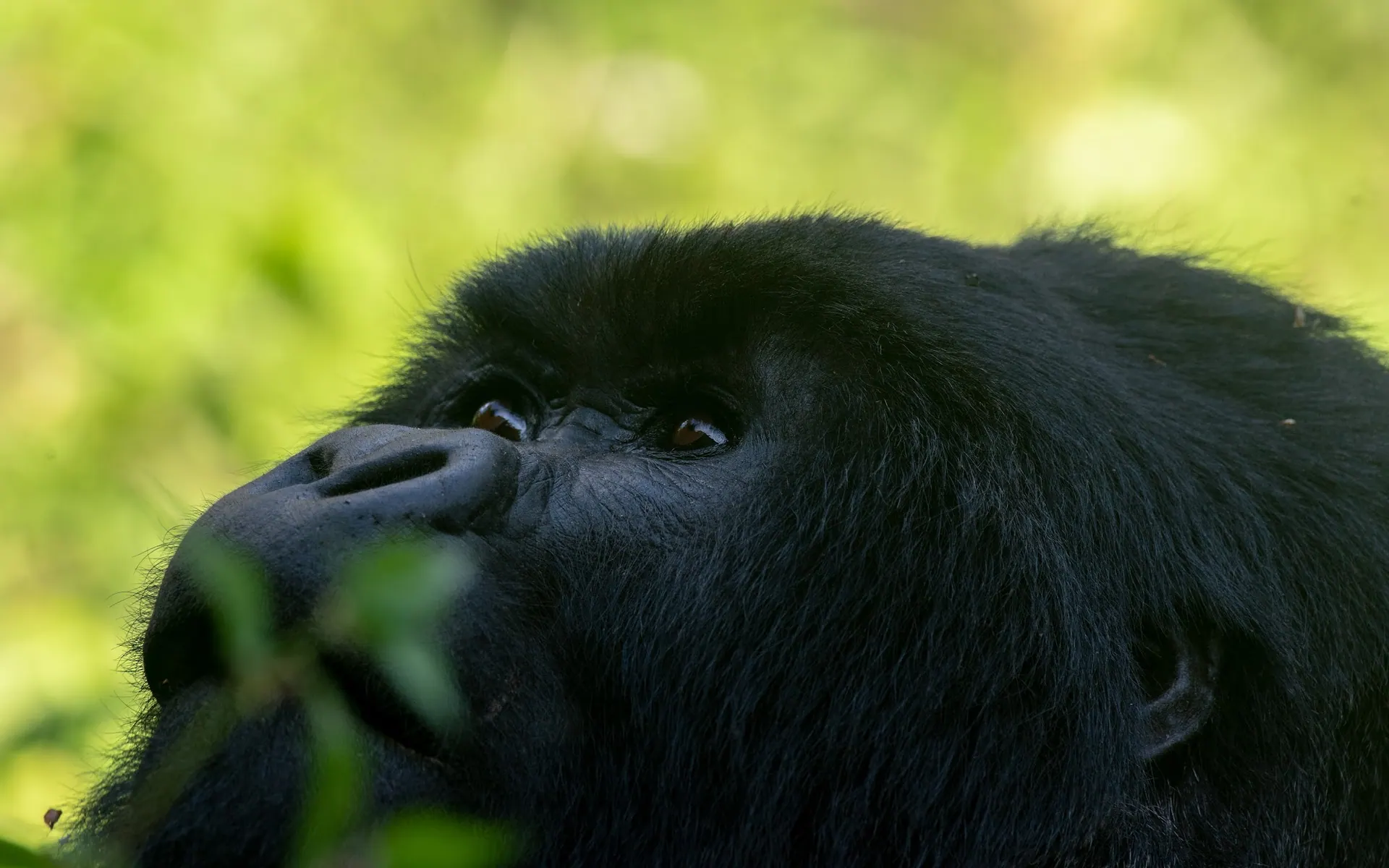
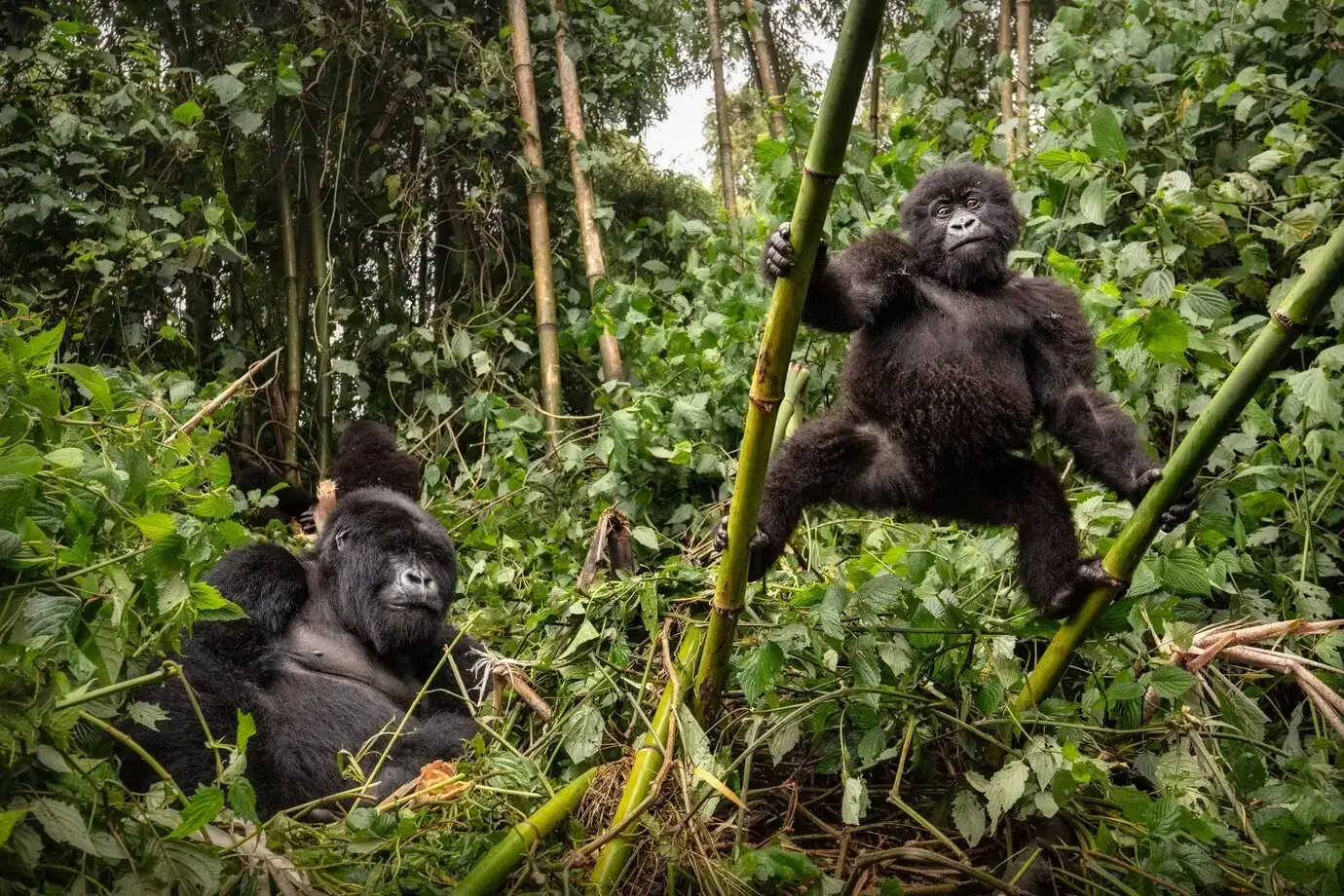
Uganda, which Winston Churchill called the “Pearl of Africa”, is home to nearly half of the world’s remaining mountain gorillas. It has two gorilla parks, Bwindi Impenetrable National Park and Mgahinga Gorilla National Park.
Cost matters when you plan a trip, and Uganda’s gorilla trekking permits cost less than Rwanda’s. The Uganda Wildlife Authority sets the price and it changes, so ask us for the current figure. Uganda also has the highest density of habituated groups, with 20 families in Bwindi alone. The steep slopes and dense foliage reward trekkers with close encounters they will remember.
Key destinations
Bwindi Impenetrable National Park and Mgahinga Gorilla National Park
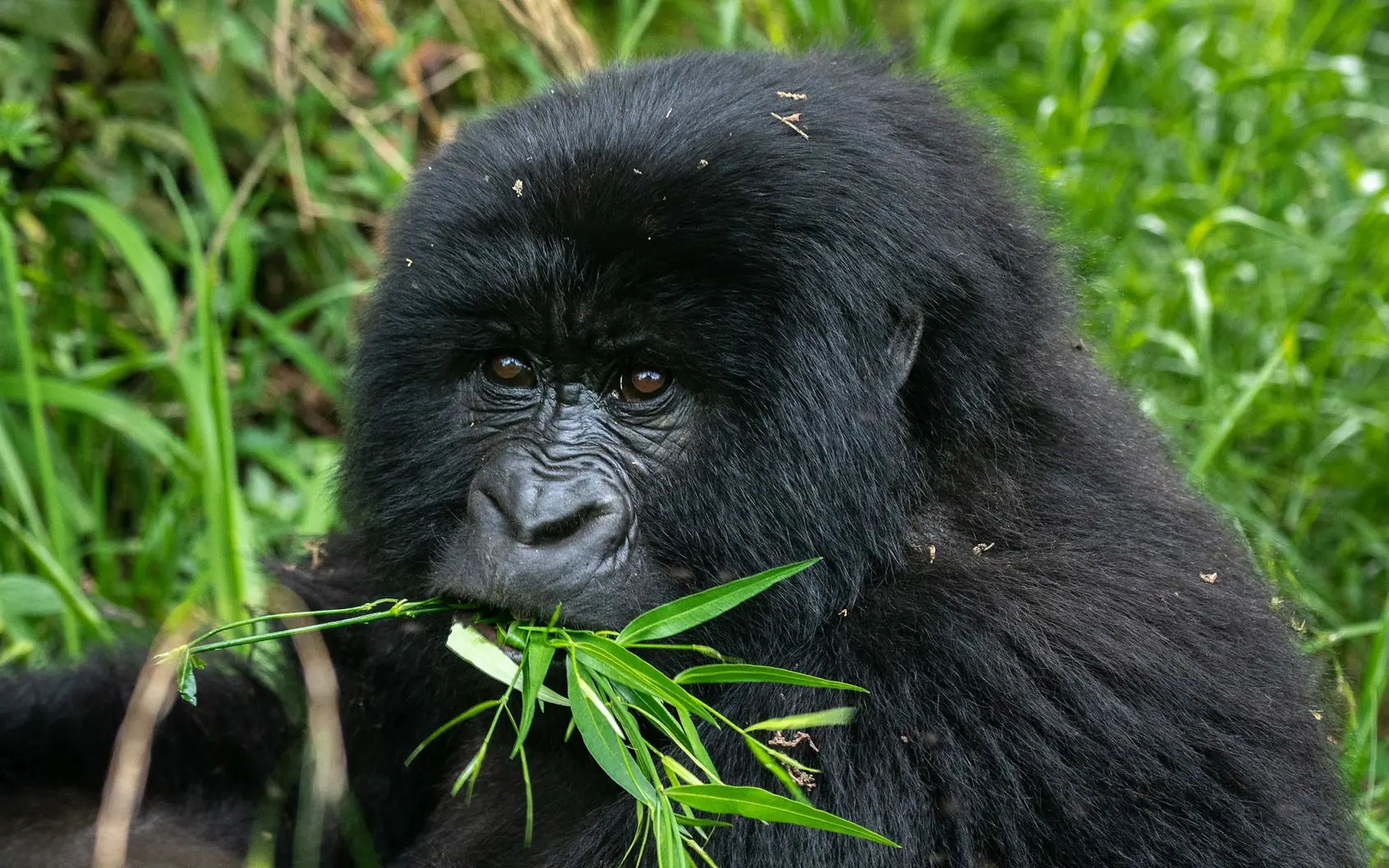
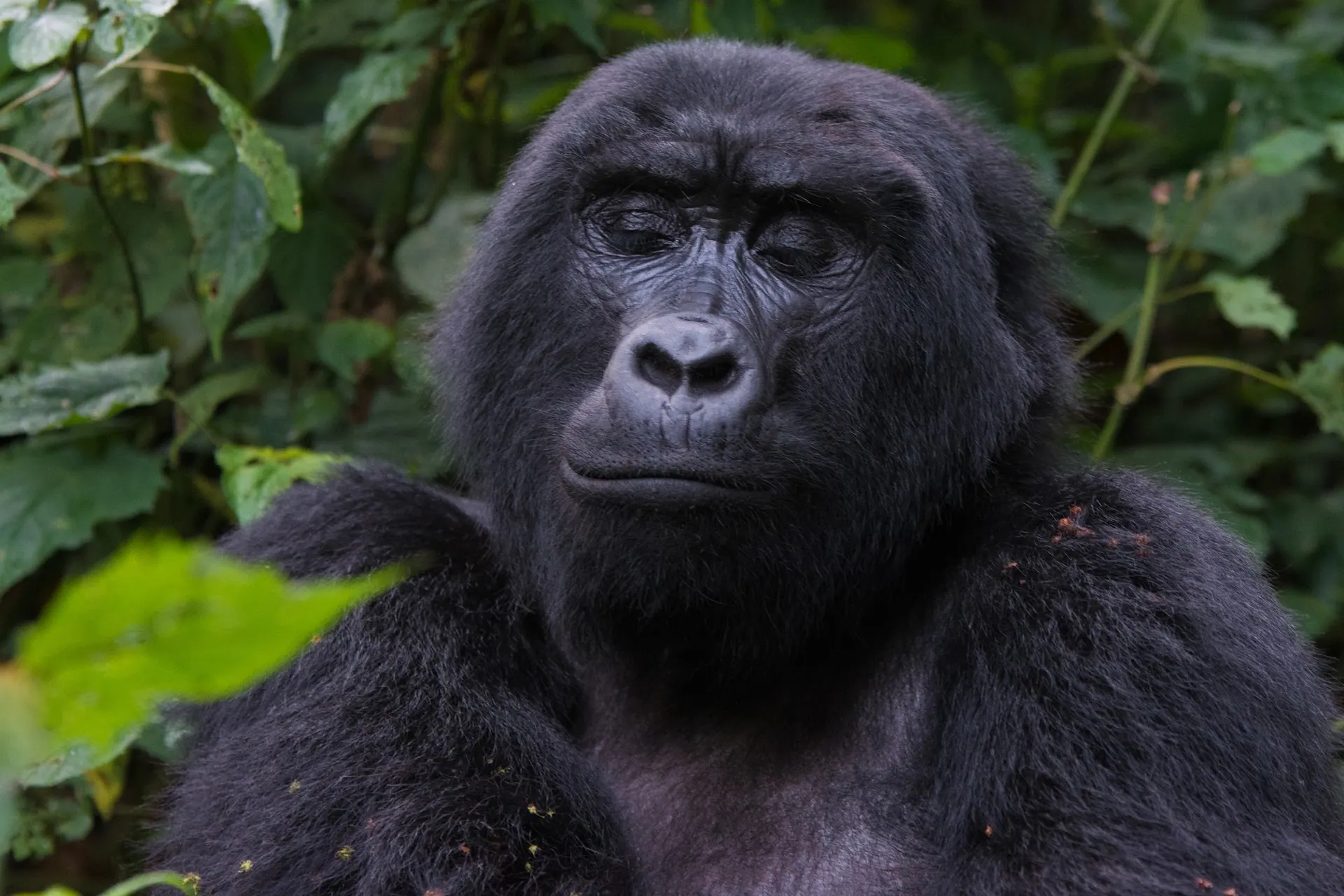
Bwindi is an ancient rainforest, over 25,000 years old and a biological treasure trove. Its name comes from the local Runyakitara word for “impenetrable”, a nod to its dense foliage and rugged terrain. The two parks are home to approximately 459 mountain gorillas (2023 census), and Bwindi hosts 20 habituated gorilla families, the highest density in the world. Notable families include the Mubare, Rushegura and Habinyanja groups.
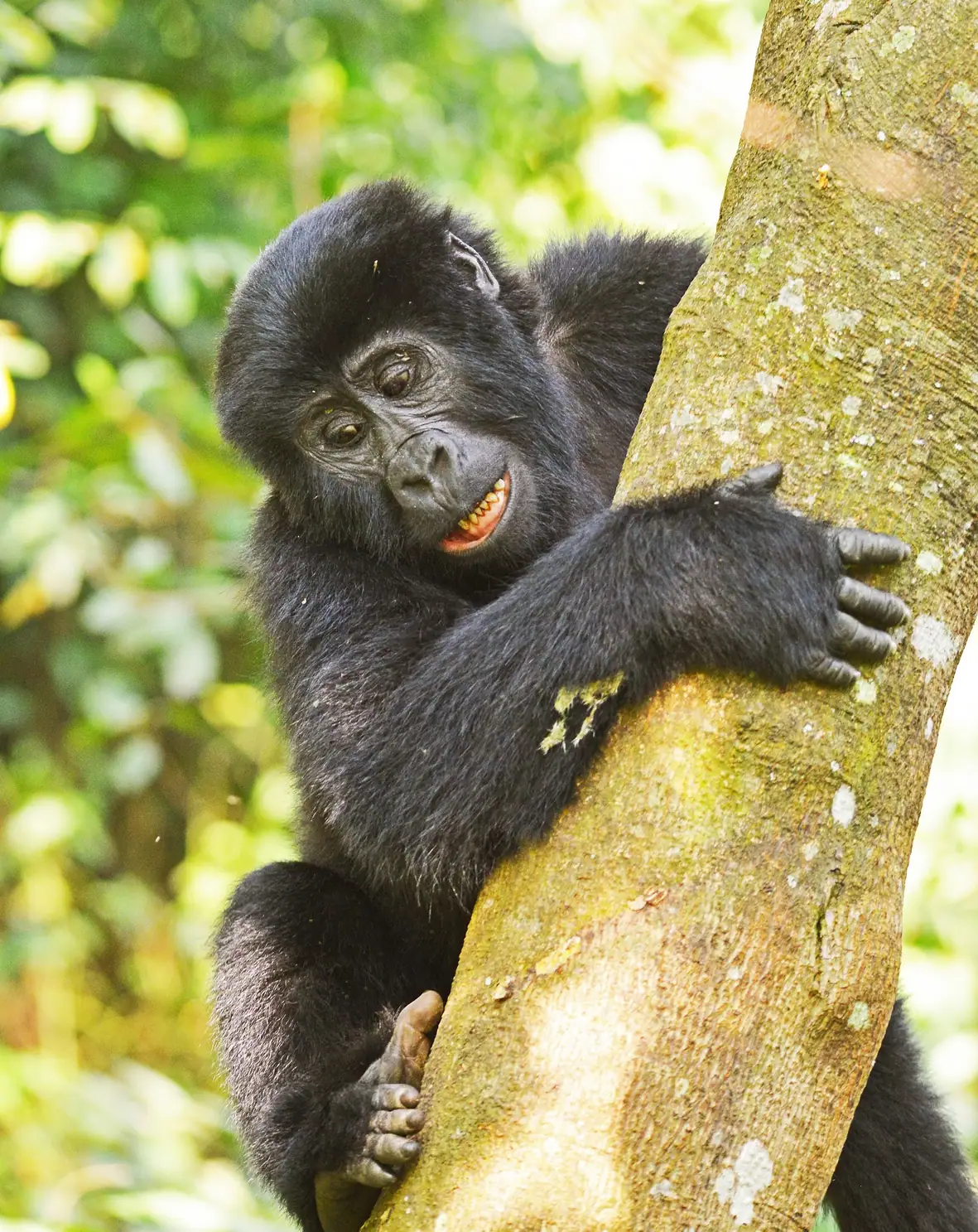
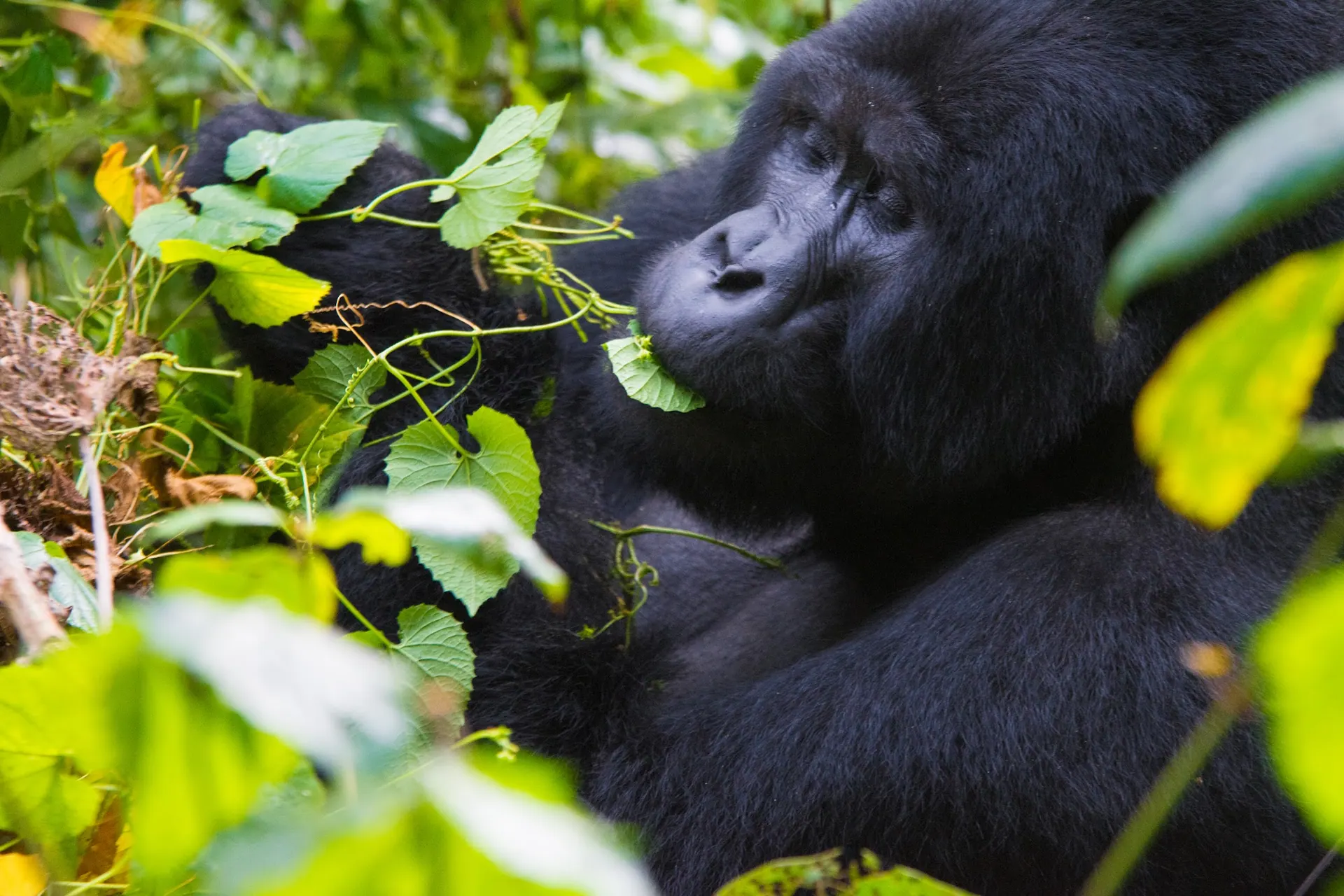
Treks range from 1 to 8 hours over steep, muddy slopes and bamboo forests. The effort pays off with an hour watching gorillas feed, play and interact in their natural habitat.
If you are coming from Rwanda on a connected trip with very little time, Mgahinga Gorilla National Park is a good option, if there is availability. Mgahinga is part of the larger Virunga Massif shared with Rwanda and the DRC, and it is Uganda’s smallest park, with dramatic volcanic landscapes.
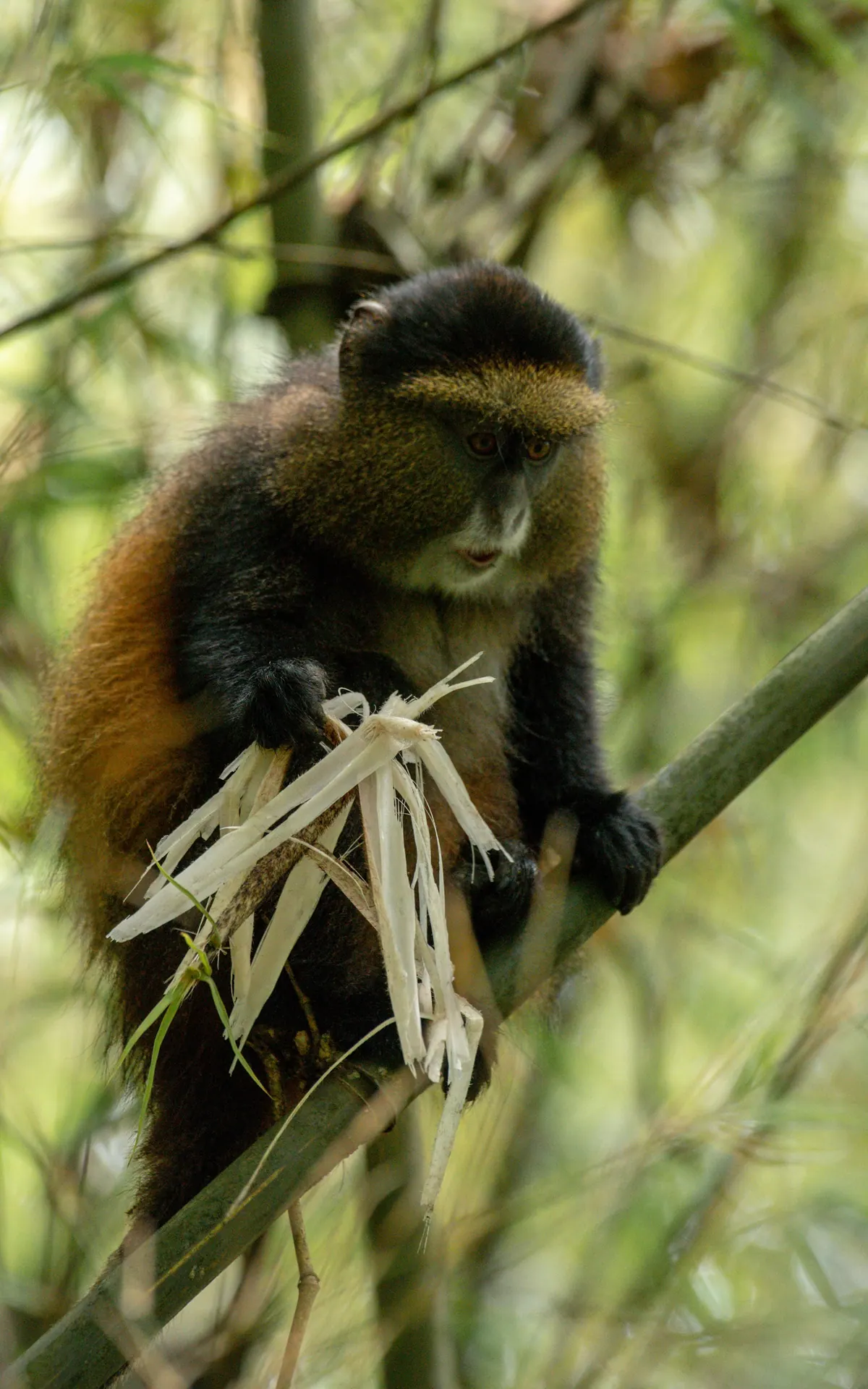
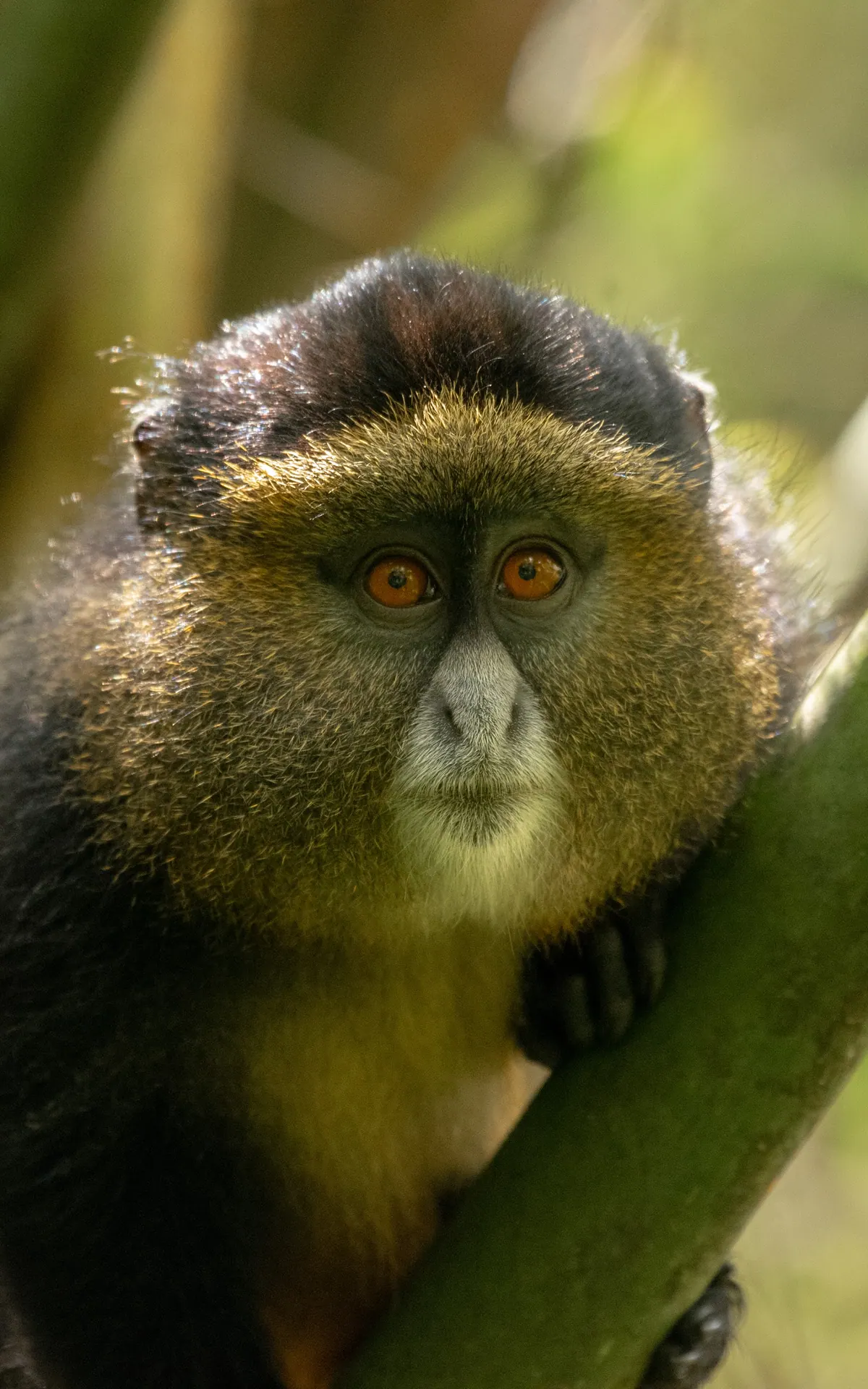
Mgahinga is home to the Nyakagezi group, known for its rare cross-border movements between Uganda and Rwanda. Beyond gorillas, you can trek to see endangered golden monkeys, a vibrant, playful species found only in this region.
Why Uganda?
- Two adventures in one trip. Combine gorilla trekking with chimpanzee trekking in Kibale or golden monkey hikes in Mgahinga.
- Community tourism. Visit the Batwa Pygmies and learn about their ancestral connection to the forest.
- Conservation impact. The Uganda Wildlife Authority reinvests permit fees in habitat protection. Verdoro Safaris also gives 5% of its proceeds back to community empowerment and conservation.
2. Rwanda: the Land of a Thousand Hills
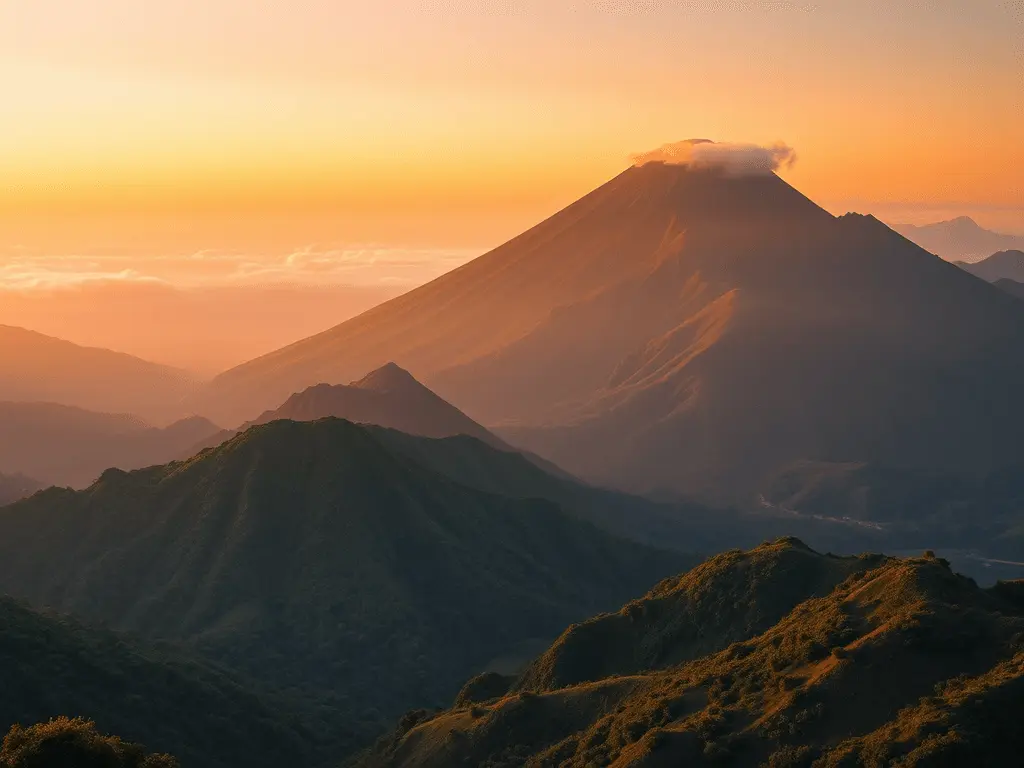
Rwanda is the “Land of a Thousand Hills”, and its gorillas live in the volcanoes of the north. At the centre is Volcanoes National Park, where the primatologist Dian Fossey did her pioneering work with mountain gorillas.
Key destination: Volcanoes National Park and the Dian Fossey hike
A conservation legacy
The park became famous through Fossey’s 18-year campaign against poaching, recorded in Gorillas in the Mist. Her Karisoke Research Centre, between Mount Karisimbi and Bisoke, is still active. It monitors gorilla families and trains the next generation of conservationists. The park has 12 habituated mountain gorilla families, including the Susa, Amahoro and Kwitonda groups. Rwanda’s gorilla population has grown by 30% since the 1980s, and over 600 individuals now live in the Virunga Massif.
The park covers 160 km². It has dramatic volcanic slopes (up to 4,507m), bamboo forest and alpine meadows. Five of the eight Virunga volcanoes anchor the rugged terrain: Karisimbi, Bisoke, Muhabura, Gahinga and Sabyinyo. Groups of 8, led by expert trackers and guides, hike for 1 to 4 hours through dense bamboo and nettle-covered slopes. Treks are matched to fitness levels, and porters are available to help with gear.
You spend an hour watching silverbacks groom juveniles, mothers cradle infants and playful adolescents swing through vines. The rules are strict: a 7-metre distance, no flash photography and a limit of 1 hour, to keep stress on the primates low. Rwanda’s permits are the most expensive of the three countries here, which keeps tourism low-impact. The money pays for anti-poaching patrols, veterinary care and community projects.
Why choose Rwanda?
- Close to Kigali. The park is a scenic 2-hour drive from the capital, past terraced farms and lively villages. The Rwanda Development Board (RDB) offers helicopter transfers (15 minutes) for luxury travellers.
- Safety and stability. Rwanda’s political stability and low crime rate make it Africa’s safest gorilla trekking destination.
- Community integration and employment. The “Gorilla Guardians” programme puts 10% of permit revenue into local projects such as schools, health clinics and clean water systems. Over 80% of park staff come from neighbouring communities, which builds stewardship. Verdoro Safaris adds its own 5% of its proceeds for community empowerment and conservation.
Beyond gorillas
- Iby’Iwacu Cultural Village. After your trek, visit this community-run initiative where former poachers show traditional dances, drumming and herbal medicine.
- Golden monkey tracking. Trek to meet these endangered, flamboyant primates in the park’s bamboo zones. You can also pay your respects at Fossey’s grave and the Karisoke Research Centre on a 2-hour hike through her former study area.
3. Democratic Republic of the Congo (DRC): for the bold explorer
Key destination: Virunga National Park
The DRC is not for the faint-hearted. For bold explorers it offers a rare chance to see conservation in action and to stand in awe of nature’s resilience. A visit to Virunga directly supports the rangers and communities fighting to protect this ecological treasure.
Virunga, Africa’s oldest national park (established in 1925) and a UNESCO World Heritage Site, offers raw, unfiltered gorilla encounters at a lower permit cost than Uganda or Rwanda. You trek through lush forest flanked by the Rwenzori Mountains and active volcanoes like Nyiragongo, where lava lakes glow at night.
Political instability and poor infrastructure can affect access, so check current travel advice before you plan anything there.
Treks last between 1 and 6 hours through dense, muddy forest and volcanic terrain. Fitness is essential, though routes are matched to the group’s ability. Groups are limited to 8 trekkers per gorilla family, with a strict 1-hour viewing time. Porters are available to help with gear and footing.
Why the DRC?
Safety first. Check your government’s warnings, such as the US State Department’s Level 3 “Reconsider Travel” advisory as of 2023. Avoid areas outside the park’s secure zones. Book through a reputable tour operator that handles permits, armed escorts and contingency plans.
- Adventure at a lower price. Pair gorilla trekking with a climb up Nyiragongo Volcano or visits to lowland gorilla habitats. Lower permit costs attract travellers on a budget.
- Volatility and logistics. Closures can come with no warning because of conflict, so travel insurance with crisis coverage is essential. Most visitors enter via Rwanda (the Gisenyi/Goma border) or Uganda (the Bunagana border). Expect long checkpoints and visa complications. Roads are rough, and electricity and internet are limited. Pack patience and a sense of humour.
Tips for travellers
When to go and health. June to September (dry season) gives safer trekking conditions. A yellow fever vaccination is mandatory. Malaria prophylaxis and typhoid and cholera vaccines are recommended.
Packing essentials. Bring sturdy hiking boots, waterproof clothing and gardening gloves (for nettles). Carry cash (USD) for visas, tips and emergencies, and a satellite phone or GPS device, because Wi-Fi is scarce.
- Note. As of 2023, Virunga is still closed from time to time for security reasons. Confirm access with your operator before booking.
4. Cross-border wonders: the Congo Basin
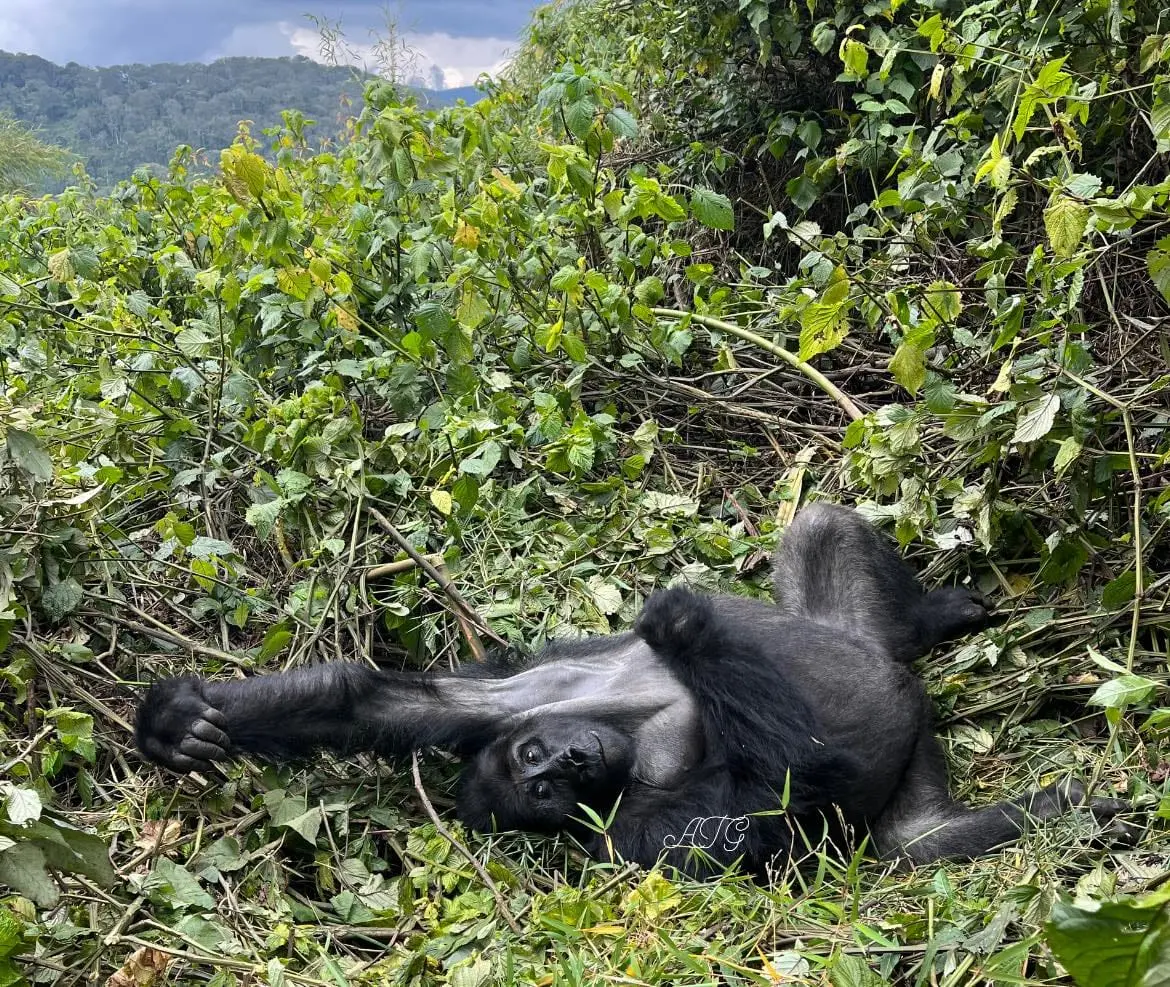
Key species: western lowland gorillas (Gabon, Cameroon, Republic of Congo). Mountain gorillas steal the spotlight, but Central Africa’s dense rainforests shelter western lowland gorillas too. These places see fewer visitors, and destinations like Odzala-Kokoua National Park (Congo) and Loango National Park (Gabon) offer secluded encounters for seasoned adventurers.
How to plan your gorilla trek
1. Choose your destination.
- Luxury and ease: Rwanda.
- Affordability and variety: Uganda.
- Adventure and raw beauty: the DRC (with caution).
2. Secure permits early.
- Permits sell out months in advance. Book 6 to 12 months ahead through official channels or trusted operators.
Why gorilla trekking matters
Gorilla tourism brings in critical revenue for conservation and protects these endangered primates from poaching and habitat loss. Permit fees pay for the people who protect the gorillas. Whether you choose Rwanda’s volcano slopes or Uganda’s forests, book your permits well ahead.
The mountains are calling. Will you answer?
A final note. Gorilla numbers are slowly rising thanks to ecotourism. Ask us about a gorilla trek and we will tell you what is available.